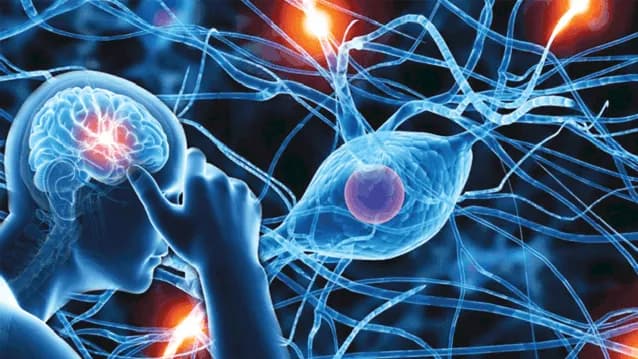
An educational guide for patients and families navigating neurological symptoms — from early warning signs to advanced treatment options available in Jaipur, Rajasthan.
By the Apex Hospitals Medical Editorial Team · Published July 2025
The nervous system is the body's master communication network — a vast, intricate web of the brain, spinal cord, and billions of nerve fibres that coordinates everything from a heartbeat to a thought. When something disrupts this network, the consequences can range from a mild tingling sensation to life-altering paralysis or cognitive decline.
According to the World Health Organization, neurological disorders are among the leading causes of disability and death globally, affecting an estimated one billion people worldwide. In India, the burden is significant and growing — making awareness, early diagnosis, and access to specialist care more important than ever.
This guide explains the most common nervous system disorders, their causes, recognisable symptoms, and — crucially — when it is time to consult a neurologist or neurosurgeon. If you or a loved one are experiencing neurological symptoms in Jaipur or Rajasthan, the neurology specialists at Apex Hospitals are here to help.
The nervous system has two main divisions:
Central Nervous System (CNS): The brain and spinal cord — the command centre that processes information and sends instructions.
Peripheral Nervous System (PNS): All the nerves outside the brain and spinal cord, including those controlling muscles, organs, and sensory input from the skin.
Disorders can affect either or both divisions. Because the nervous system touches virtually every body function, neurological conditions often produce a wide and sometimes confusing range of symptoms — which is why specialist evaluation is so important.
A stroke occurs when blood supply to part of the brain is cut off — either by a clot (ischaemic stroke) or a burst blood vessel (haemorrhagic stroke). It is a medical emergency. Recognising the FAST signs — Face drooping, Arm weakness, Speech difficulty, Time to call emergency — can save a life. Apex Hospitals' 24×7 emergency and trauma unit in Jaipur is equipped to manage acute stroke with rapid imaging and intervention.
Epilepsy is characterised by recurrent, unprovoked seizures caused by abnormal electrical activity in the brain. It affects people of all ages. Many patients achieve good seizure control with medication; others may benefit from surgical evaluation. The neurology team at Apex Hospitals Jaipur offers comprehensive epilepsy management including EEG evaluation and long-term follow-up.
Parkinson's is a progressive neurodegenerative disorder caused by the loss of dopamine-producing neurons in the brain. Early symptoms include a resting tremor, muscle stiffness, and slowness of movement (bradykinesia). While there is currently no cure, medications and supportive therapies — including physiotherapy and rehabilitation — can significantly improve quality of life.
Dementia is an umbrella term for conditions that cause progressive decline in memory, thinking, and behaviour. Alzheimer's disease is the most common form, accounting for 60–70% of cases globally. Early diagnosis allows for medication, lifestyle interventions, and caregiver planning that can slow progression. A 2023 NIH resource on Alzheimer's disease highlights that timely specialist assessment is key to optimising outcomes.
MS is an autoimmune disease in which the immune system attacks the protective myelin sheath covering nerve fibres, disrupting signals between the brain and body. Symptoms vary widely — fatigue, vision problems, numbness, and coordination difficulties are common. Disease-modifying therapies have transformed outcomes for many patients.
Migraine is far more than a bad headache — it is a neurological condition involving intense, often one-sided head pain, nausea, and sensitivity to light and sound. Chronic migraine (15 or more headache days per month) can be debilitating. Specialist evaluation is important to rule out secondary causes and to establish an effective preventive treatment plan.
Peripheral neuropathy results from damage to the peripheral nerves, causing weakness, numbness, and pain — usually in the hands and feet. Diabetes is the most common cause in India, but vitamin deficiencies, infections, and autoimmune conditions are also responsible. Early management can prevent permanent nerve damage.
Tumours affecting the brain or spinal cord — whether primary or metastatic — can cause headaches, seizures, personality changes, or focal neurological deficits depending on their location. The neurosurgery department at Apex Hospitals manages complex brain and spine tumours using advanced operating microscopes and neuro-navigation systems for precise, safer surgery.
These are infections or inflammations of the membranes surrounding the brain (meningitis) or of the brain itself (encephalitis). Bacterial meningitis is a life-threatening emergency requiring immediate hospitalisation and intravenous antibiotics. Apex Hospitals' dedicated ICU and critical care unit, including a Neuro ICU, is equipped to manage such emergencies around the clock.
Conditions such as herniated discs, spinal stenosis, and traumatic spinal cord injuries can compress or damage the spinal cord, leading to pain, weakness, or paralysis. Surgical and non-surgical options are available depending on severity. Apex Hospitals' neurosurgery and pain and intervention specialists work together to create personalised treatment plans.
Neurological conditions have diverse and often overlapping causes. Understanding the root cause is essential for effective treatment.
Genetic factors: Conditions like Huntington's disease and some forms of epilepsy have a hereditary component.
Infections: Viruses, bacteria, fungi, and parasites can all invade the nervous system (e.g., viral encephalitis, tubercular meningitis).
Autoimmune processes: The immune system mistakenly attacks nervous tissue, as in MS or Guillain-Barré syndrome.
Trauma: Head injuries, road traffic accidents, and falls are leading causes of acquired brain and spinal cord injury in India.
Vascular disease: Hypertension, diabetes, and high cholesterol increase stroke risk by damaging blood vessels supplying the brain.
Degenerative processes: Ageing-related wear on neurons underlies conditions like Parkinson's and Alzheimer's.
Nutritional deficiencies: Deficiency of vitamin B12, for example, is a common and treatable cause of peripheral neuropathy in India.
Toxins and medications: Certain chemicals, heavy metals, and drugs can damage nerve tissue over time.
Tumours: Both benign and malignant growths can compress or invade nervous tissue.
Nervous system symptoms are often subtle at first, which is why many patients delay seeking care. The following symptoms warrant prompt medical evaluation — and some require emergency attention:
Sudden severe headache described as "the worst of my life"
Sudden weakness or numbness on one side of the body or face
Sudden loss of vision, speech, or balance
Loss of consciousness or unresponsiveness
Seizure for the first time, or a prolonged seizure
High fever with neck stiffness and sensitivity to light
Persistent or worsening headaches, especially with nausea or vision changes
Memory loss or confusion that is new or worsening
Tremors, muscle stiffness, or slowness of movement
Numbness, tingling, or burning sensations in the limbs
Difficulty walking, frequent falls, or loss of coordination
Changes in personality, mood, or behaviour
Chronic dizziness or vertigo
Bladder or bowel dysfunction without obvious cause
Accurate diagnosis is the foundation of effective neurological care. A neurologist will typically begin with a detailed history and neurological examination, followed by one or more investigations:
MRI and CT Scan: Provide detailed images of the brain and spinal cord to detect tumours, strokes, bleeds, and structural abnormalities. Apex Hospitals has on-site MRI, CT, and X-ray available around the clock.
Electroencephalogram (EEG): Records electrical activity in the brain, essential for diagnosing epilepsy.
Nerve Conduction Studies (NCS) and Electromyography (EMG): Assess the health of peripheral nerves and muscles.
Lumbar Puncture (Spinal Tap): Analysis of cerebrospinal fluid to detect infections, inflammation, or bleeding.
Blood and laboratory tests: Identify metabolic, infectious, or autoimmune causes. Apex's on-site emergency labs support rapid results.
PET-CT Scan: Used in oncology cases to stage brain tumours and detect metastatic spread.
The radiology department at Apex Hospitals supports neurological diagnosis with advanced imaging available 24×7, ensuring no delay in critical cases.
The answer depends on the specific condition, its cause, and how early it is identified. Here is a realistic overview:
Fully treatable: Many infections (bacterial meningitis, certain encephalitides), nutritional neuropathies, and some tumours can be cured or put into long-term remission with appropriate treatment.
Controllable: Epilepsy, migraine, and MS can often be well-managed with medication and lifestyle changes, allowing patients to lead full lives.
Progressive but manageable: Parkinson's disease and Alzheimer's cannot currently be reversed, but symptoms can be significantly managed to preserve independence and quality of life.
Surgical intervention: Brain and spinal tumours, herniated discs, hydrocephalus, and certain epilepsy cases may require surgery. The neurosurgery team at Apex Hospitals Jaipur uses advanced operating microscopes and neuro-navigation systems to maximise precision and safety.
Rehabilitation plays a vital role in recovery. Apex Hospitals' in-house physiotherapy and rehabilitation unit supports patients recovering from stroke, spinal injury, and post-surgical neurological conditions.
Neurological care often involves a multidisciplinary team:
Neurologist: A physician specialising in diagnosing and medically managing conditions of the brain, spinal cord, and nerves. Your first point of contact for most neurological symptoms.
Neurosurgeon: A surgeon who operates on the brain, spine, and peripheral nerves when surgical intervention is required.
Neuro-intensivist / Critical Care Specialist: Manages patients with severe neurological conditions in the ICU setting.
Physiotherapist and Rehabilitation Specialist: Supports recovery of movement, strength, and function after neurological events.
Psychiatrist / Neuropsychologist: Addresses cognitive and behavioural aspects of neurological conditions.
At Apex Hospitals, all these specialists work under one roof — enabling seamless, coordinated care for complex neurological cases. With over 12,000 neurological patients treated and a dedicated Neuro ICU, the hospital is one of the most experienced neurological care centres in Rajasthan. Explore the full team of specialist doctors at Apex Hospitals.
Apex Hospitals, established in 1994 and NABH accredited, has grown into one of Rajasthan's most trusted multi-specialty hospital groups. The neurology and neurosurgery departments at the Malviya Nagar, Jaipur campus offer:
Dedicated Neuro ICU with 24×7 specialist monitoring for critically ill neurological patients
Advanced operating microscopes and neuro-navigation systems for precise brain and spine surgery
Intraoperative neuromonitoring to reduce the risk of neurological complications during surgery
On-site MRI, CT, and emergency labs available around the clock for rapid diagnosis
HOPE Tele-ICU Command Centre — connecting 18 partner sites across Rajasthan so that patients in remote areas can access super-specialty neurological consultation without travelling to Jaipur
Empanelled under Ayushman Bharat and major insurance and TPA schemes, making specialist care accessible
The hospital's HOPE Tele-ICU programme has been featured in the Harvard Business Review and recognised at the GovConnect Conclave for HealthTech Excellence — a testament to Apex's commitment to innovation in neurological and critical care.
If you are looking for the best neurology hospital in Jaipur, Apex Hospitals combines experienced specialists, advanced technology, and a patient-first approach to deliver outcomes that matter.
While not all neurological disorders are preventable, a significant proportion — particularly stroke, diabetic neuropathy, and nutritional deficiencies — can be reduced through lifestyle choices:
Control blood pressure, blood sugar, and cholesterol through regular check-ups and medication adherence
Eat a balanced diet rich in B vitamins, omega-3 fatty acids, and antioxidants
Exercise regularly — physical activity supports cerebrovascular health and may reduce dementia risk
Avoid smoking and excessive alcohol consumption, both of which damage nerve tissue and blood vessels
Wear helmets and seatbelts to prevent traumatic brain and spinal cord injuries
Manage stress and prioritise sleep — chronic sleep deprivation is linked to increased neurological risk
Stay mentally active — reading, learning new skills, and social engagement support cognitive reserve
If you have diabetes or hypertension, regular review with an internal medicine specialist can help prevent neurological complications before they develop.
The most common neurological conditions include stroke, epilepsy, migraine, Parkinson's disease, Alzheimer's disease and dementia, peripheral neuropathy, and multiple sclerosis. In India, stroke and diabetic neuropathy are particularly prevalent due to the high burden of hypertension and diabetes.
Causes include genetic factors, infections, autoimmune processes, trauma, vascular disease, degenerative ageing, nutritional deficiencies, toxins, and tumours. Many conditions have multiple contributing factors, which is why a thorough specialist evaluation is essential.
Some can be fully cured — particularly infections and nutritional neuropathies. Others, such as epilepsy and MS, can be well-controlled with treatment. Progressive conditions like Parkinson's and Alzheimer's cannot currently be reversed, but symptoms can be managed effectively to preserve quality of life. Early diagnosis always improves outcomes.
A neurologist is the primary specialist for diagnosing and medically managing neurological conditions. A neurosurgeon is involved when surgery is needed. Rehabilitation specialists, psychiatrists, and critical care physicians may also be part of the care team depending on the condition.
Apex Hospitals, Malviya Nagar, Jaipur is one of Rajasthan's most experienced centres for neurological care, with a dedicated Neuro ICU, advanced neurosurgery infrastructure, and over 12,000 neurological patients treated. The hospital is NABH accredited and empanelled under Ayushman Bharat. You can learn more about the neurology services at Apex Hospitals.
The neurology and neurosurgery specialists at Apex Hospitals, Jaipur are available to evaluate your symptoms, answer your questions, and guide you toward the right care — without delay.