
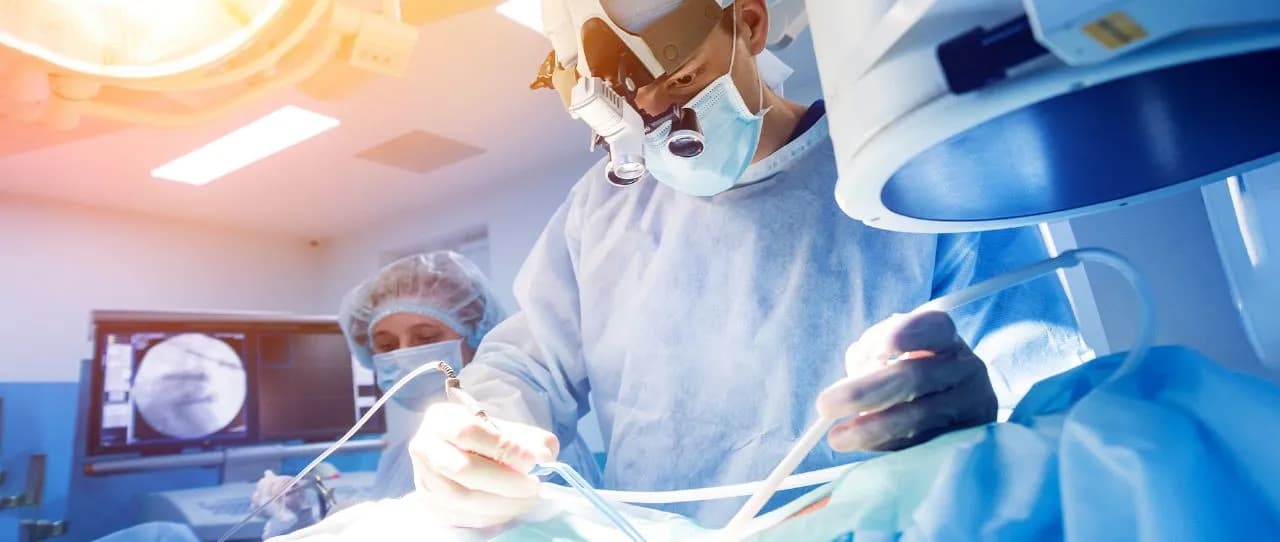
Facing cancer surgery can feel overwhelming. Yet, advances in surgical oncology are changing that experience for many people. At Apex Hospitals, our surgical oncology team focuses on minimally invasive cancer surgery — including laparoscopic and robotic-assisted procedures — designed to remove tumors precisely while reducing pain, shortening hospital stay, and speeding return to daily life. This article explains what minimally invasive surgical oncology is, who can benefit, how procedures compare, expected outcomes and recovery, and how to access care at Apex Hospitals. It is written to help patients and families make informed decisions and to answer common questions like “How long to recover from keyhole cancer surgery?” and “Where can I find cancer surgery near me?”
Minimally invasive cancer surgery (sometimes called keyhole surgery for cancer) describes surgical techniques that use small incisions, specialized instruments and magnified imaging to remove tumors with less disruption to surrounding tissues than traditional open operations. Instead of large cuts, surgeons operate through ports that accommodate a camera and fine instruments (laparoscopy) or through robotic arms controlled by a surgeon at a console (robotic-assisted surgery). Endoscopic techniques access some tumors through natural orifices (mouth, anus, airway) without external incisions.
These techniques are applied across many cancer types — colorectal, gynecologic, urologic (prostate, kidney), liver, lung and some breast cancers — depending on tumor size, location, stage and patient fitness. The goal remains curative or palliative tumor removal with oncologic principles preserved: complete tumor excision, appropriate lymph-node sampling, and clear margins where indicated. In carefully selected cases, studies have shown comparable oncologic outcomes to open surgery with the major advantages of lower blood loss, reduced pain, shorter hospital stays and faster return to normal activities.
For patients searching for “minimally invasive surgical oncology” or “best minimally invasive cancer surgeon,” it is important to evaluate the centre’s multidisciplinary capabilities — imaging (CT, MRI, PET-CT), advanced operating theatres, chemotherapy day-care and radiotherapy — all of which are integral to modern cancer care. At Apex Hospitals, these resources are integrated to provide seamless care from diagnosis to survivorship.
Minimally invasive cancer operations rely on a combination of high-definition imaging, specialized instruments, and precise surgical planning. The main steps include:
Robotic-assisted systems add wristed instruments and tremor filtration that permit finer movements and ergonomics for the surgeon. At Apex Hospitals, we use a Make-in-India robotic surgery system for select urology and gastrointestinal cancers, combining local affordability with advanced capabilities. Importantly, patient selection is key; not every tumor is suitable for a minimally invasive approach, and conversion to open surgery is always an available, safe option when required for patient safety or oncologic adequacy.
There are several minimally invasive modalities available in modern surgical oncology. Choosing the right one depends on cancer type, stage and patient anatomy. Below is a comparison to help patients understand the primary approaches.
| Procedure type | Typical use | Key advantages | Typical recovery |
|---|---|---|---|
| Laparoscopic cancer surgery | Colorectal, gynecologic, some liver and kidney surgeries | Smaller incisions, reduced pain, shorter hospital stay, widely available | 3–7 days inpatient for major resections; faster return to activities |
| Robotic-assisted cancer surgery | Urology (prostate), selected GI, complex pelvic surgeries | Greater dexterity, 3D vision, ergonomic for surgeon, precise suturing | 2–5 days inpatient for many procedures; faster functional recovery |
| Video-assisted thoracoscopic surgery (VATS) | Lung cancer resections, pleural disease | Less chest wall trauma, quicker respiratory recovery, shorter chest tube time | 3–7 days depending on extent |
| Endoscopic tumor removal | Early gastrointestinal, airway, bladder and some head & neck tumors | No external incision, outpatient for many procedures | Same-day to 1–2 days for observation |
Each technique can be combined with sentinel lymph-node biopsy, intraoperative frozen section analysis and image-guided navigation. Minimally invasive options are rapidly expanding; for example, minimally invasive breast cancer surgery can include oncoplastic techniques and sentinel node mapping that reduce morbidity while preserving cosmesis.
The most immediate benefits patients notice after minimally invasive cancer procedures are reduced pain and quicker mobilization. Smaller incisions mean less trauma to muscles and skin, which translates into lower opioid requirement, fewer wound complications and improved respiratory function after thoracic or abdominal operations. For many cancers, this also allows earlier resumption of chemotherapy when indicated — an important factor in multimodal cancer treatment.
On the outcomes front, a significant body of literature supports that for appropriately selected cancers and stages, minimally invasive techniques provide oncologic outcomes comparable to open surgery:
Statistically, cancer is a major public health issue worldwide. According to GLOBOCAN 2020, there were an estimated 19.3 million new cancer cases and nearly 10 million cancer deaths globally in 2020. In India, there are over 1.3 million new cancer cases annually, highlighting the need for accessible, effective cancer care. Minimally invasive techniques contribute to improved quality of life during and after treatment and, for many, enable faster recovery times that make subsequent therapies and daily living more achievable.
Not every patient or every tumor is suitable for minimally invasive cancer surgery. Patient selection is individualized and determined by tumor biology, size, location, prior surgeries, comorbid conditions and the overall treatment strategy. Typical candidates include:
Contraindications or relative challenges include:
At Apex Hospitals, candidate assessment involves a multidisciplinary tumor board including surgical oncology, medical oncology, radiation oncology, radiology and pathology. This team reviews imaging (CT, MRI, PET-CT) and biopsy results to recommend an individualized approach. For patients with advanced tumors, minimally invasive techniques may still play a role in palliative resections, staged operations or to facilitate targeted therapy — showing that “less invasive” does not always mean “less effective” when applied correctly.
Preparation optimizes safety and recovery. At Apex Hospitals, our perioperative pathway emphasizes patient education, testing and coordination. Key steps include:
On the day of surgery, clear communication is provided about expected incision sites, the likelihood of conversion to open surgery if needed, estimated operative time and recovery plan. Because minimally invasive procedures depend on specialized operating theatres and equipment, Apex Hospitals maintains advanced operation theatres with minimally invasive surgical equipment and a trained perioperative nursing team. When needed, the robotic surgery system is available for select urology and gastrointestinal cancers to provide enhanced precision.
One of the strongest patient-centered advantages of minimally invasive surgery is the recovery trajectory. Reduced incisions lead to less pain and earlier mobilization — both critical to preventing complications such as deep vein thrombosis and pneumonia. Typical recovery elements include:
For patients and families asking “how long to recover from keyhole cancer surgery?” the honest answer varies: many patients report returning to light activities in 1–2 weeks and to more demanding work in 4–6 weeks, whereas major abdominal resections may require longer. Factors that influence recovery time include age, type of operation, cancer stage and presence of additional treatments such as chemotherapy. Where feasible, Apex Hospitals also offers outpatient minimally invasive cancer surgery options and same-day discharge for selected procedures, with structured home-care and telemedicine follow-up to ensure safety and comfort.
Choosing between robotic-assisted and conventional laparoscopic approaches depends on the specific cancer, surgeon experience and resource availability. Both are minimally invasive, but they have differences that matter for certain operations and patient outcomes.
| Feature | Laparoscopic surgery | Robotic-assisted surgery |
|---|---|---|
| Visualization | High-definition 2D or 3D laparoscopy | Enhanced 3D, magnified vision with improved depth perception |
| Instrument dexterity | Rigid instruments with limited articulation | Wristed instruments mimic human wrist for finer suturing and dissection |
| Surgeon ergonomics | Standing at table; can be fatiguing for long cases | Console-based seating reduces fatigue and improves precision |
| Cost | Generally lower equipment cost; widely available | Higher capital cost; may increase procedure cost but decreasing due to local systems like Make-in-India platforms |
| Best suited for | Many abdominal and pelvic surgeries with experienced laparoscopic teams | Complex pelvic surgeries, fine reconstructive work, and procedures needing precise suturing |
Comparative studies often show similar oncologic outcomes when both approaches are performed by experienced surgeons. Robotic systems can offer technical advantages in confined spaces (pelvis) and for reconstructive steps, potentially improving functional outcomes (e.g., urinary continence after prostatectomy). However, cost considerations are real; at Apex Hospitals we offer robotic-assisted surgery using a Make-in-India robotic system for selected cancers (urology and GI) to provide high-quality care while keeping costs competitive with metro centres.
Cost is a major concern for many patients evaluating treatment options. The minimally invasive cancer surgery cost varies widely depending on:
To help patients, Apex Hospitals provides financial counselling and supports insurance, TPA & government scheme assistance. Pricing is individualized and depends on treatment plan. In many cases, minimally invasive approaches reduce total treatment costs by shortening hospital stays, decreasing complication rates and enabling earlier return to work — important indirect cost benefits.
For broader context, seeking a second opinion is reasonable if there is uncertainty about the optimal surgical approach. Apex Hospitals encourages “second opinion surgical oncology Apex Hospitals” consultations and provides transparent cost estimates and staged payment options. For patients searching “minimally invasive cancer surgery near me” or “best surgical oncology hospital for minimally invasive cancer surgery,” ask about:
In India, access to advanced minimally invasive and robotic surgery has increased rapidly, particularly in regional cancer centres. Apex Hospitals positions itself as a comprehensive surgical oncology centre offering advanced diagnostics (CT, MRI, PET-CT), modern chemotherapy delivery through chemotherapy day-care units with infusion pumps, and precision radiotherapy — all geared to provide accessible, high-quality cancer care.
Choosing the right surgical oncologist matters. Look for a surgeon who:
At Apex Hospitals surgical oncology center, our teams include experienced surgical oncologists, dedicated anesthesia professionals, specialized nursing teams and allied health services. We emphasize shared decision-making so that patients understand choices such as laparoscopic cancer surgery versus robotic approaches, or open surgery when that becomes the safer option. Patients looking for “top surgical oncologists for laparoscopic cancer surgery” or “best cancer surgeon near me” can request a consultation and, if desired, an expedited second opinion to confirm the care plan.
For urgent issues the centre manages “emergency cancer surgery Apex Hospitals” cases with rapid multidisciplinary input. We also assist with logistics for out-of-town patients seeking care and provide telemedicine follow-ups for ongoing recovery and oncology consultations. Our commitment is to ensure that minimally invasive options are offered when they are safe, effective and align with a patient’s goals of care.
Deciding on surgery for cancer is deeply personal and medically complex. Useful questions to ask your surgeon include:
If you are considering surgery, request a multidisciplinary consultation at Apex Hospitals to review imaging, pathology and treatment options. Our team provides tailored recommendations that balance oncologic safety with recovery goals and quality-of-life considerations. For many people, minimally invasive tumor removal offers a path to effective cancer control with less pain and faster recovery, enabling an earlier return to family, work and daily routines.
Minimally invasive cancer surgery has become a cornerstone of modern surgical oncology, offering many patients shorter hospital stays, reduced pain and faster recovery while maintaining oncologic effectiveness for appropriately selected tumors. Techniques include laparoscopic, robotic-assisted, VATS and endoscopic approaches, and the choice depends on cancer type, stage and patient factors. Apex Hospitals combines experienced oncology surgeons, a Make-in-India robotic surgery system for select cancers, advanced diagnostics (CT, MRI, PET-CT), chemotherapy day-care with infusion pumps and precision radiotherapy to deliver integrated cancer care with patient-centric counselling and survivorship support. We assist with insurance, TPA and government scheme navigation and provide transparent pricing based on individualized treatment plans.
If you are looking for “cancer surgery near me,” “keyhole surgery for cancer near me,” or want a “second opinion surgical oncology Apex Hospitals,” reach out to our surgical oncology team for a consultation. We will review your case, provide imaging and staging, explain all available options including minimally invasive techniques, and help you plan the safest, most effective treatment pathway.
Remember: the best choice is an individualized one made with an experienced multidisciplinary team. Minimally invasive does not mean less serious — it means using modern tools to achieve cancer control while preserving quality of life whenever safely possible.
This article was written by Dr. Rahul Yadav MBBS , MS - General Surgery , MCh - Surgical Oncology , sharing insights based on professional experience in the field.

Download Our App


Powered By Docfyn