

Minimally Invasive Cancer Surgery — Apex Hospitals Surgical Oncology | Faster Recovery
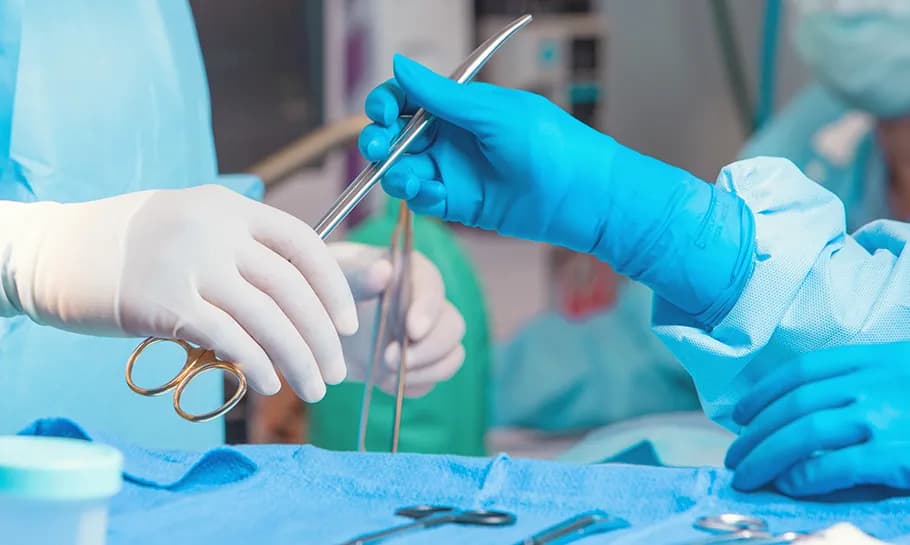
Minimally invasive cancer surgery: less pain, faster recovery
Facing cancer surgery can feel overwhelming. Yet, advances in surgical oncology are changing that experience for many people. At Apex Hospitals, our surgical oncology team focuses on minimally invasive cancer surgery — including laparoscopic and robotic-assisted procedures — designed to remove tumors precisely while reducing pain, shortening hospital stay, and speeding return to daily life. This article explains what minimally invasive surgical oncology is, who can benefit, how procedures compare, expected outcomes and recovery, and how to access care at Apex Hospitals. It is written to help patients and families make informed decisions and to answer common questions like “How long to recover from keyhole cancer surgery?” and “Where can I find cancer surgery near me?”
What is minimally invasive cancer surgery?
Minimally invasive cancer surgery (sometimes called keyhole surgery for cancer) describes surgical techniques that use small incisions, specialized instruments and magnified imaging to remove tumors with less disruption to surrounding tissues than traditional open operations. Instead of large cuts, surgeons operate through ports that accommodate a camera and fine instruments (laparoscopy) or through robotic arms controlled by a surgeon at a console (robotic-assisted surgery). Endoscopic techniques access some tumors through natural orifices (mouth, anus, airway) without external incisions.
These techniques are applied across many cancer types — colorectal, gynecologic, urologic (prostate, kidney), liver, lung and some breast cancers — depending on tumor size, location, stage and patient fitness. The goal remains curative or palliative tumor removal with oncologic principles preserved: complete tumor excision, appropriate lymph-node sampling, and clear margins where indicated. In carefully selected cases, studies have shown comparable oncologic outcomes to open surgery with the major advantages of lower blood loss, reduced pain, shorter hospital stays and faster return to normal activities.
For patients searching for “minimally invasive surgical oncology” or “best minimally invasive cancer surgeon,” it is important to evaluate the centre’s multidisciplinary capabilities — imaging (CT, MRI, PET-CT), advanced operating theatres, chemotherapy day-care and radiotherapy — all of which are integral to modern cancer care. At Apex Hospitals, these resources are integrated to provide seamless care from diagnosis to survivorship.
How minimally invasive techniques work: the technology and steps
Minimally invasive cancer operations rely on a combination of high-definition imaging, specialized instruments, and precise surgical planning. The main steps include:
- Accurate staging and planning: Before surgery, patients undergo staging using CT, MRI and PET-CT to map tumor size, location and spread. This accurate staging ensures that the chosen minimally invasive approach can meet oncologic goals.
- Port placement and access: Small incisions (5–12 mm) are made for ports through which a laparoscope (camera) and working instruments are inserted. The abdomen or chest is often insufflated with gas to create a working space.
- Magnified visualization: High-definition cameras and sometimes 3D optics provide magnified views of tissues. This improved visualization helps surgeons identify tumor margins and nearby vital structures.
- Dissection and removal: Specialized instruments (energy devices, staplers, dissectors) allow precise cutting and removal. For some cancers, specimens are removed through a small incision, an existing natural opening, or a slightly enlarged port site.
- Reconstruction and lymph-node assessment: Where necessary, bowel reconnection, organ reconstruction, and systematic lymph-node removal are performed using minimally invasive techniques to maintain cancer control.
Robotic-assisted systems add wristed instruments and tremor filtration that permit finer movements and ergonomics for the surgeon. At Apex Hospitals, we use a Make-in-India robotic surgery system for select urology and gastrointestinal cancers, combining local affordability with advanced capabilities. Importantly, patient selection is key; not every tumor is suitable for a minimally invasive approach, and conversion to open surgery is always an available, safe option when required for patient safety or oncologic adequacy.