
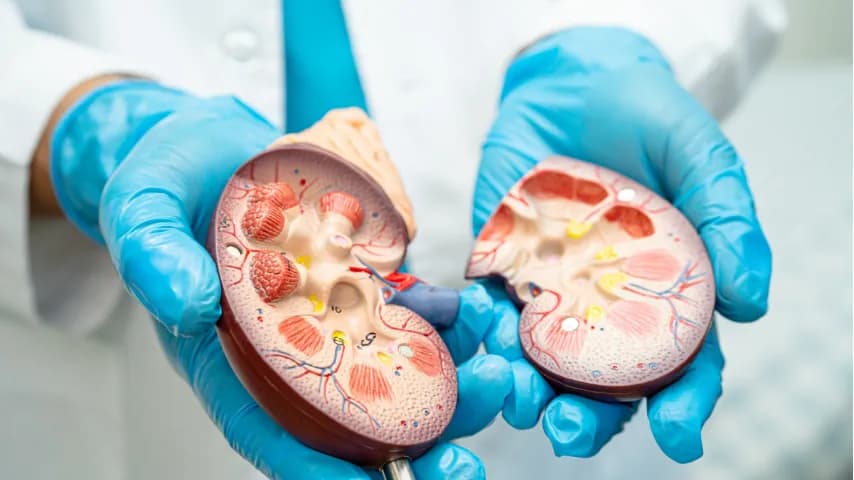
Making the decision between dialysis or kidney transplant is one of the most important healthcare choices for a person living with advanced kidney disease. If you or a loved one has been diagnosed with end-stage kidney disease (ESKD) or chronic kidney disease (CKD) stage 5, the options—regular dialysis treatment or a kidney transplant—carry very different implications for survival, quality of life, daily routine, cost, and long-term health. This guide is written to help patients and families in Jaipur and nearby areas, including Malviya Nagar, understand the medical facts, practical considerations, and local resources available at Apex Hospital so you can make an informed decision.
In this article we compare kidney transplant in Jaipur and dialysis treatment Jaipur, discuss benefits, costs, recovery and long-term outcomes, and explain eligibility and follow-up care. We also describe how Apex Hospital supports patients through diagnosis, dialysis, transplant evaluation, and post-transplant monitoring. If you are looking for expert guidance about kidney transplant consultation Jaipur or need help deciding between dialysis vs kidney transplant which is better, this article will provide clear, practical information.
At the end of this article you will find a straightforward checklist to prepare for a consultation and questions to ask your nephrologist or transplant surgeon. If you prefer, you can book an appointment or visit Apex Hospital in Malviya Nagar, Jaipur to discuss your individual case with our transplant coordinator and multidisciplinary team.
Kidney failure—also called end-stage renal disease (ESRD) or ESKD—occurs when kidneys can no longer filter waste products and excess fluids from the blood adequately. Kidneys perform vital functions including regulation of electrolytes, blood pressure control, and hormone production (such as erythropoietin). When kidney function falls below about 10–15% of normal, patients usually require renal replacement therapy: either dialysis or kidney transplantation.
Common causes of chronic kidney disease that can progress to kidney failure include:
Symptoms of advanced kidney failure often develop gradually and can include fatigue, swelling (edema), decreased urine output, breathlessness, nausea, poor appetite, itching, and cognitive difficulty from toxin buildup. Laboratory tests (serum creatinine, estimated glomerular filtration rate or eGFR, electrolytes) and imaging help determine the stage of CKD.
Why the choice matters:
In Jaipur, proactive assessment and early referral to a transplant center such as Apex Hospital can help patients transition from dialysis to transplant when appropriate. Early education about the differences between dialysis vs transplant recovery time Jaipur and long-term management improves outcomes and reduces complications.
Dialysis is a life-sustaining treatment that performs the function of the kidneys by removing waste products and excess fluids from the blood. There are two principal types of dialysis used for kidney failure: hemodialysis (HD) and peritoneal dialysis (PD). Each has advantages and limitations, and the choice depends on medical suitability, lifestyle, support system, and local availability.
Hemodialysis involves circulating blood through a dialysis machine and artificial kidney (dialyzer) to filter waste. Sessions are usually performed in a dialysis center or hospital, typically three times weekly for about 3–5 hours per session. Vascular access is created surgically (arteriovenous fistula, graft, or catheter) for repeated treatments.
Peritoneal dialysis uses the patient’s peritoneal membrane as the filter. A dialysis solution is introduced into the abdominal cavity through a permanent catheter, dwells, and is then drained, removing waste and excess fluid. PD can be performed at home and includes continuous ambulatory peritoneal dialysis (CAPD) and automated PD (APD) using a cycler at night.
| Dialysis type | Benefits | Considerations / recovery |
|---|---|---|
| Hemodialysis | Highly effective clearance of toxins; treatments supervised in center | Requires travel to center; vascular access surgery; fatigue after sessions |
| Peritoneal dialysis | Home-based; flexible schedule; better for preserving residual kidney function early | Risk of peritonitis; requires training and aseptic technique; daily exchanges |
In Jaipur, dialysis treatment availability is good, and many centers, including the in-house dialysis unit at Apex Hospital, provide comprehensive care with infection control protocols and trained staff. When choosing dialysis in Jaipur, consider:
Advantages of dialysis:
Limitations:
If you are exploring dialysis treatment Jaipur, speak with a nephrologist to evaluate the best modality. At Apex Hospital, the dialysis unit is integrated with transplant services, enabling a smooth transition for patients who are evaluated and accepted for transplant.
A kidney transplant replaces a failing kidney with a healthy kidney from a living or deceased donor. Transplant offers restoration of kidney function that usually exceeds what dialysis can provide, allowing improved metabolism, better fluid balance, and fewer dietary restrictions for most patients.
Types of transplant:
The transplant surgery typically takes 3–4 hours under general anesthesia. The diseased kidneys are usually left in place unless there are specific indications for removal; the new kidney is placed in the lower abdomen and connected to blood vessels and the bladder. After surgery, close monitoring in a transplant ICU helps manage fluid balance, bleeding, and early graft function.
Benefits of kidney transplant compared with dialysis include:
At Apex Hospital, the kidney transplant program in Jaipur offers both living donor kidney transplant Jaipur and deceased donor kidney transplant Jaipur services. Our program features advanced compatibility testing, a dedicated transplant ICU, modular operation theatres, and strict infection control protocols to minimize complications. With expertise in pediatric and adult transplants, the team has performed over 400+ successful kidney transplants with an overall program success rate of approximately 95%.
When deciding between long-term dialysis and kidney transplant, patients and families should examine comparative outcomes in survival, quality of life, complication rates, and long-term health. Evidence from international registries and transplant centers shows that, for most eligible candidates, transplantation provides better survival and quality-of-life outcomes than remaining on dialysis. However, individual circumstances matter—patient age, cardiovascular disease, active infections, cancer history, and psychosocial factors can influence suitability.
| Treatment option | Benefits | Typical recovery and follow-up | Long-term outcomes |
|---|---|---|---|
| Chronic dialysis (hemodialysis/peritoneal) | Immediate life-sustaining therapy; accessible; fewer upfront surgical risks | Ongoing sessions (3x/week for HD); home training for PD; frequent lab monitoring | Higher long-term cardiovascular risk; lower median survival compared to transplant in many cohorts |
| Kidney transplant (living/deceased) | Better survival, improved quality of life, fewer dietary limits | Initial surgical recovery (4–8 weeks), lifelong immunosuppressive therapy and follow-up | Superior long-term survival and reduced hospitalization for many patients; graft survival variable (better with living donors) |
Relevant statistics:
Important caveats:
In Jaipur and surrounding areas (including Malviya Nagar), patients benefit from a coordinated approach: if dialysis is chosen initially, early referral to a transplant center improves the chances of transplant eligibility and reduces waiting time. Apex Hospital’s integrated protocol connects dialysis care with transplant evaluation to facilitate timely transitions.
Cost is one of the most practical considerations for patients deciding between long-term dialysis and kidney transplant. Costs vary by center, modality, complications, and whether medications are generic or branded. In general, dialysis requires recurring expenses, while transplant involves a high initial cost for surgery and hospital stay plus ongoing expense for immunosuppressive drugs and monitoring. Over the years, many patients find transplant to be more cost-effective when considering quality-adjusted life years.
| Cost element | Dialysis (per year, approximate) | Kidney transplant (one-time + annual) |
|---|---|---|
| Initial procedure/hospitalization | Low (if starting dialysis) — vascular access cost ~INR 8,000–20,000 | Higher — surgery, hospital stay, and tests: approximately INR 3–6 lakhs (varies by center and complexity) |
| Recurring annual costs | High — hemodialysis sessions (approx. INR 2,50,000–4,50,000/year depending on frequency and center) | Moderate — immunosuppressants and follow-up: INR 1–2 lakhs/year (may be lower with generics) |
| Long-term cumulative costs (5 years) | Very high — likely exceeds transplant cumulative costs for many patients | Lower cumulative over time after initial investment; better cost-effectiveness by year 3–5 in many analyses |
Notes for Jaipur:
Apex Hospital offers a transparent financial counseling service, helps patients explore financing, and discusses affordable transplant options and staged payment plans when appropriate. Our center also informs families about expected follow-up costs and ways to access lower-cost generic immunosuppressants when clinically suitable.
Determining if a patient is eligible for kidney transplant involves a thorough medical, surgical, and psychosocial assessment. The goal is to ensure the patient is healthy enough to undergo surgery and tolerate lifelong immunosuppression, and that modifiable risk factors are optimized.
Common elements of transplant evaluation:
Donor matching:
Waitlist considerations:
Post-transplant care:
Risks and considerations:
Apex Hospital’s transplant coordinator helps patients navigate evaluation, donor matching, waitlist logistics, and post-transplant follow-up in Jaipur. The team’s experience with pediatric transplants, advanced compatibility testing, and strong monitoring reduces risks and supports long-term graft survival.
Selecting a transplant center involves evaluating clinical outcomes, infrastructure, multidisciplinary expertise, and continuity of care. Apex Hospital in Malviya Nagar, Jaipur, presents a comprehensive renal transplant program built to serve patient needs from initial evaluation through lifelong follow-up.
Key strengths of Apex Hospital’s kidney transplant program:
Patient-friendly features:
For residents of Jaipur and nearby neighborhoods like Malviya Nagar, selecting a center with robust local support and high technical standards matters. Apex Hospital’s integrated model—combining dialysis and transplant services—minimizes fragmentation of care and improves transitions from dialysis to transplant when appropriate.
To explore a tailored plan for your situation, book a transplant consultation at Apex Hospital, Malviya Nagar, Jaipur. Our transplant coordinator will arrange necessary pre-transplant testing and counseling so you can decide whether kidney transplant in Jaipur is the best option for you.
Deciding between continued dialysis and pursuing transplant is personal, medical, and sometimes emotional. Use this checklist to prepare for a consultation with your nephrologist or transplant team. Having clear objectives and questions will help you choose the best path based on your health, lifestyle, and resources.
Patient checklist before transplant consultation:
Important questions to ask during consultation:
Emotional and social considerations:
Finally, remember that the “best” treatment is individualized. For many patients, transplant offers superior long-term outcomes; for others, dialysis remains the appropriate option due to medical or personal constraints. A thoughtful discussion with the team at Apex Hospital, Malviya Nagar, Jaipur, can clarify the path best suited to your circumstances.
If you are evaluating kidney failure treatment options in Jaipur—whether you are considering dialysis or transplant better—the first practical step is a consultation with a nephrologist and transplant coordinator. Apex Hospital offers a streamlined evaluation process designed to reduce waiting times and provide clear guidance:
Why early referral matters:
To book a consultation, visit Apex Hospital in Malviya Nagar, Jaipur, or contact the transplant coordination desk during hospital hours. Our multidisciplinary team will guide you through every step—diagnosis, dialysis initiation (if needed), transplant evaluation, and long-term follow-up—offering compassionate, evidence-based care.
