
By Apex Hospitals, 30th May, 2026
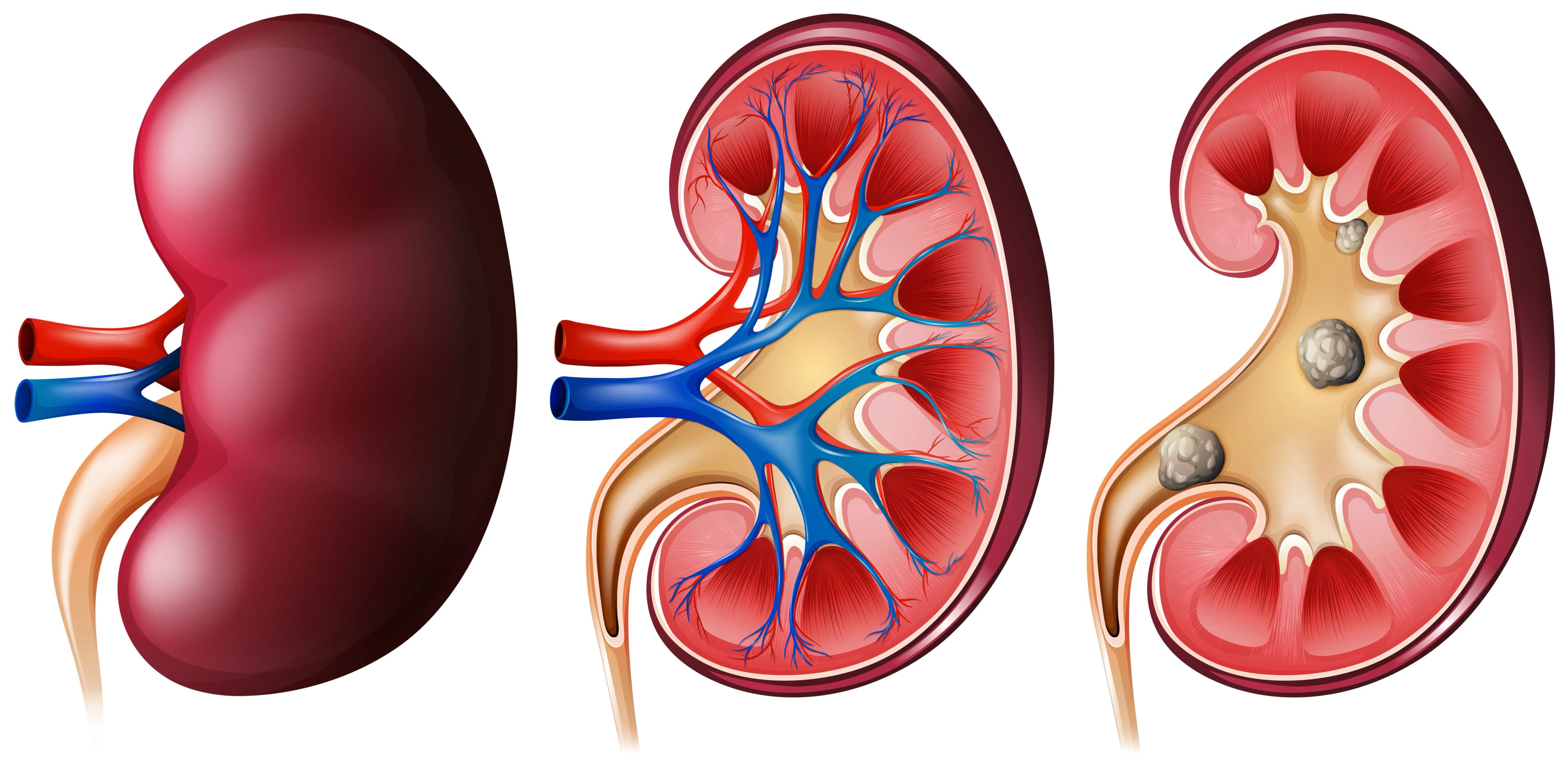
Kidney stones are becoming increasingly common, and increasingly younger in their reach. Changing food habits, low water intake, and sedentary lifestyles are pushing more people toward a condition that, if left unattended, can cause serious damage to the kidneys.
At Apex Hospitals, Mansarovar, Dr. Bhanu Kaushik, Consultant Urology, recently performed a successful kidney stone surgery using the Mini PCNL technique. The patient recovered well and was discharged in stable condition.
PCNL stands for Percutaneous Nephrolithotomy, a procedure used to remove kidney stones through a small incision in the back, directly into the kidney. Mini PCNL is a refined, minimally invasive version of this procedure, performed through an incision of approximately 1 cm.
Compared to conventional open surgery or even standard PCNL, Mini PCNL offers several advantages:
The procedure is performed under anaesthesia. A small tube is inserted through the incision into the kidney, and the stone is broken down and removed using advanced instruments. The small size of the access tract means the body heals faster with less trauma.
Mini PCNL is particularly effective for large or complex kidney stones that cannot be managed with less invasive options like medication or shockwave therapy.
Dr. Bhanu Kaushik, who performed the procedure, noted that kidney stone cases have been rising steadily, and the pattern is concerning.
"Changing lifestyles, low water intake, and unhealthy eating habits are leading to a rapid rise in kidney stone cases. Timely diagnosis and the right treatment can help prevent serious complications," said Dr. Kaushik.
Kidney stones form when minerals and salts in the urine crystallise and clump together. In many cases, small stones pass on their own. But larger stones can block the urinary tract, cause severe pain, and, if untreated, lead to kidney infection or permanent kidney damage.
Common risk factors include:
Recognising symptoms early — flank pain, blood in urine, frequent or painful urination — and seeking timely medical advice is key to avoiding complications.
Apex Hospitals, Mansarovar is equipped to handle the full spectrum of kidney stone cases, from straightforward to complex. The urology department offers three advanced treatment options:
Mini PCNL For larger or staghorn stones, Mini PCNL provides effective removal through a minimally invasive approach with fast recovery and minimal blood loss.
RIRS (Retrograde Intrarenal Surgery) A completely scarless procedure where a flexible ureteroscope is passed through the natural urinary passage to reach the kidney. The stone is then fragmented using a laser. RIRS is ideal for stones in difficult locations and for patients who prefer a procedure with no external incision.
Laser Stone Treatment Using high-precision laser energy, stones are fragmented into fine dust or small pieces that pass out naturally. Laser treatment offers high accuracy with minimal damage to surrounding tissue.
All three procedures are performed in modern operation theatres equipped with advanced imaging and surgical equipment, supported by an experienced urology and anaesthesia team.
Many patients wait too long before seeking treatment, often because the pain subsides temporarily or because they are unsure whether the stone needs intervention. However, untreated kidney stones can lead to:
Early evaluation by a urologist allows for the right treatment to be chosen at the right time, before complications develop.
If you are experiencing symptoms of kidney stones or have been advised surgical treatment, the urology team at Apex Hospitals, Mansarovar is here to help.
1. How do I know if I need Mini PCNL or another procedure?
The choice of procedure depends on the size, location, and composition of the stone, as well as the patient's overall health. A urologist will evaluate your case with imaging, typically a CT scan, and recommend the most appropriate option.
2. Is Mini PCNL painful?
The procedure is performed under anaesthesia, so the patient does not feel pain during surgery. Post-operative discomfort is usually mild and well-managed with standard pain relief. Most patients are up and mobile within 24 hours.
3. How long does recovery take after Mini PCNL?
Most patients are discharged within 2 to 3 days and can return to routine activities within a week. Full recovery is generally faster than with conventional surgery.
4. Can kidney stones come back after treatment?
Yes, recurrence is possible, particularly if the underlying risk factors are not addressed. Staying well-hydrated, modifying diet, and regular follow-up with a urologist significantly reduce the risk of recurrence.

Download Our App


Powered By Docfyn



