
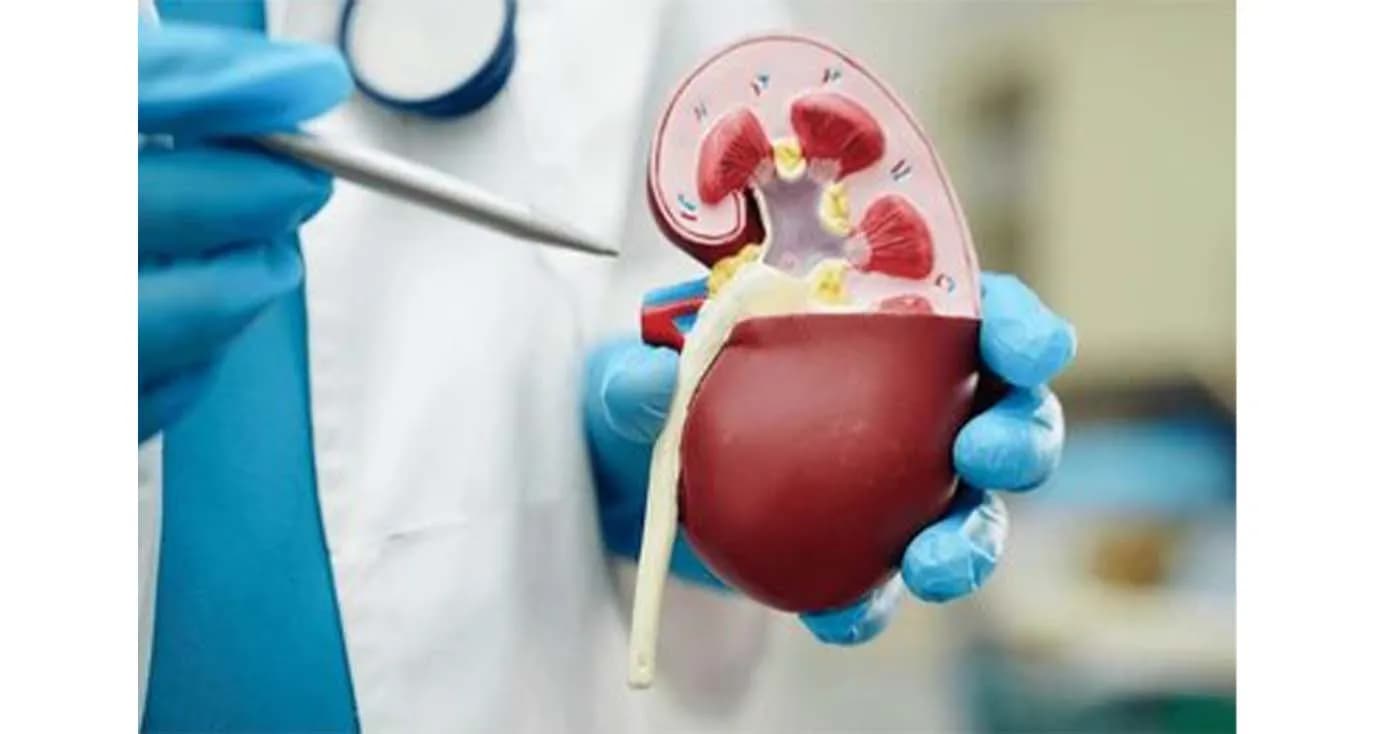
Chronic Kidney Disease (CKD) is a growing public health challenge in India, affecting nearly 10% of the population—equivalent to around 140 million people. India also holds the unfortunate distinction of having the highest number of CKD-related deaths globally, surpassing nations like China and Japan. Despite the seriousness of the condition, many individuals remain unaware of their kidney disease until its advanced stages, when kidney function is significantly impaired or large amounts of protein appear in the urine. Only 10% of those with CKD are aware of their condition, as early symptoms are often mild or mistaken for other health issues.
While medical testing is the most accurate way to diagnose kidney disease, it is crucial to know early warning signs. Symptoms such as persistent fatigue, swelling in the legs or face, changes in urination patterns, and unexplained high blood pressure may indicate kidney problems. Early detection and timely medical intervention can help slow disease progression and improve quality of life.
At Apex Hospitals, the leading healthcare provider in Rajasthan, specialized kidney care is available to diagnose, manage, and treat kidney disorders effectively. By prioritizing proactive healthcare, routine check-ups, and a healthy lifestyle, individuals can safeguard their kidney health. The kidneys play a critical role in filtering waste, balancing body fluids, and regulating essential electrolytes—making their health vital for overall well-being.
Several risk factors can increase the likelihood of developing kidney disease. Understanding these factors can help in early detection and prevention.
Kidney disease often develops silently, showing noticeable symptoms only in later stages. However, recognizing the early warning signs can help in timely diagnosis and treatment. Here are 10 key signs that may indicate kidney disease:
1. Frequent Urination (Especially at Night)
One of the first and most noticeable signs of kidney disease is a change in urination patterns. Since kidneys filter waste and maintain fluid balance, any abnormality in urine frequency, appearance, or flow could signal underlying kidney problems.
Key Urinary Changes to Watch For:
While these symptoms can also be linked to urinary tract infections or other conditions, persistent changes in urination warrant immediate medical attention. Early detection of kidney disease can help prevent further complications.
2. Blood in Urine (Haematuria)
Healthy kidneys function as natural filters, ensuring that essential blood cells remain in the body while eliminating waste through urine. However, when the kidney's filtration system becomes damaged, red blood cells may leak into the urine, causing a condition known as haematuria.
While blood in the urine can be a sign of kidney disease, it may also indicate other severe conditions, such as:
If you notice pink, red, or dark-coloured urine, it’s essential to seek medical attention immediately. Identifying the cause early can prevent further complications and ensure timely treatment.
3. Foamy or Bubbly Urine
Are you noticing excessive bubbles in your urine that persist even after multiple flushes? This could indicate protein leakage (proteinuria), which can indicate an underlying kidney issue.
Healthy kidneys filter waste while keeping essential proteins like albumin in the bloodstream. However, when the kidneys are damaged, protein may leak into the urine, causing it to appear foamy—similar to the bubbles seen when scrambling eggs, as albumin is also found in egg whites.
While occasional bubbles in urine can be expected, persistent foamy urine may indicate:
If you frequently notice foamy urine, consult a doctor for a urine test to check for protein levels and assess kidney health. Early detection can help prevent further complications.
4. Swelling in Hands, Feet, or Face
If you've noticed persistent swelling in your feet, ankles, hands, or face, it could be due to fluid retention—a common sign of decreased kidney function.
Healthy kidneys remove excess fluid and sodium from the body. However, when kidney function declines, fluid builds up in tissues, leading to noticeable swelling, particularly in:
5. Fatigue and Weakness
Kidneys help produce erythropoietin (EPO), a hormone that supports red blood cell production. Damaged kidneys lead to low red blood cell count (anemia), which can cause fatigue and weakness.
6. Persistent Itching or Dry Skin
Your kidneys do more than filter waste—they also help maintain mineral balance, support red blood cell production, and keep bones strong. When kidney function declines, it can disrupt these processes, leading to dry, itchy skin and discomfort.
When the kidneys fail to remove toxins efficiently, waste builds up in the bloodstream, leading to:
7. Loss of Appetite and Nausea
Kidney disease can affect more than just urine output—it can also impact digestion and appetite. When the kidneys fail to filter waste efficiently, toxins accumulate in the blood, leading to digestive issues and discomfort.
Signs of Kidney-Related Digestive Issues:
When waste builds up in the body, it can disrupt normal digestion, making food less appealing and triggering nausea. Over time, this can lead to malnutrition and weakness.
8. Difficulty Sleeping
If you're struggling with poor sleep quality or insomnia, your kidneys might be to blame. When the kidneys fail to filter out toxins effectively, waste accumulates in the blood, disrupting sleep patterns and overall well-being.
How Kidney Disease Affects Sleep:
Chronic sleep disturbances can worsen kidney function, contributing to fatigue, cognitive issues, and poor immune health.
9. Muscle Cramps and Pain
Are you experiencing frequent muscle cramps, especially in your legs? It might not just be dehydration—it could be a warning sign of kidney disease. The kidneys play a vital role in regulating electrolytes like calcium, phosphorus, and potassium, essential for muscle and nerve function.
How Kidney Disease Triggers Muscle Cramps
10. Shortness of Breath
When kidneys fail to remove extra fluid, it can accumulate in the lungs, leading to breathlessness. Anemia from kidney disease can also cause a lack of oxygen in the blood.
If you experience any of these symptoms, especially multiple signs, consult our nephrologists immediately for kidney function tests. Early diagnosis can slow or prevent kidney disease from worsening.


Download Our App


Powered By Docfyn