
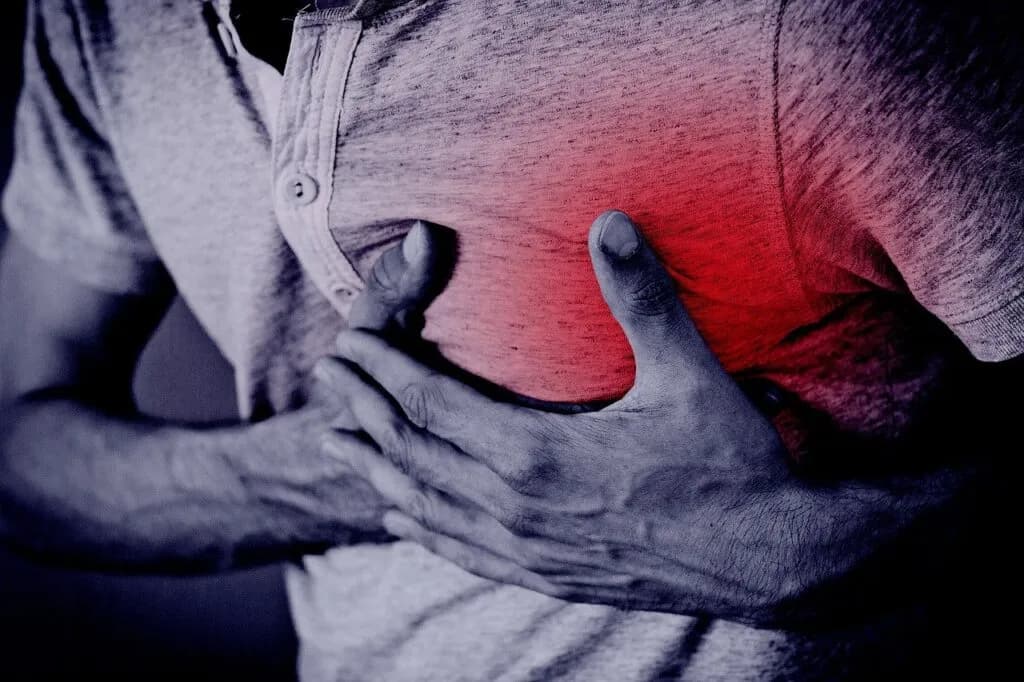
Heart disease remains one of the leading causes of illness and death worldwide. This comprehensive guide explains what heart disease is, how it develops, the symptoms to watch for, and the full spectrum of modern treatment options available at Apex Hospitals. Whether you are searching for a cardiologist near me or comparing the cost of angioplasty at Apex Hospitals, this article is designed to give patients and families clear, evidence-based information and practical next steps. We also focus on local access to care and how Apex Hospitals’ cardiology services support rapid diagnosis, emergency care, advanced interventions and long-term prevention.
Cardiovascular disease (CVD) includes a broad group of disorders that affect the heart and blood vessels: coronary artery disease (CAD), heart failure, arrhythmias, valvular disease, congenital heart defects and more. The stakes are high—early recognition and timely treatment save lives, reduce disability and improve quality of life. Many people searching online use phrases like best cardiologist near me, heart specialist near me or cardiology hospital near me when looking for immediate care. This guide helps you understand when to seek care, what diagnostic tests to expect, and which treatments may be recommended.
Apex Hospitals’ Cardiology Department combines non-invasive diagnostics, interventional cardiology, emergency cardiac care and cardiac rehabilitation to provide an integrated continuum of care. Our objective is to demystify clinical terms and outline the patient journey—from initial assessment and risk stratification to individualized treatment plans and follow-up. Throughout this article you will find practical advice on recognizing symptoms, realistic cost ranges for procedures such as angioplasty near me and bypass surgery cost near me, and how to book a consultation or emergency evaluation at Apex Hospitals.
Use this guide as a resource to discuss options with your healthcare team, find the appropriate specialist (for example, an arrhythmia specialist near me or a pediatric cardiology near me), and take the next steps toward diagnosis, treatment and prevention.
Heart disease is an umbrella term for multiple conditions that impair the heart’s ability to function normally. The most common and clinically important categories include:
Pathophysiology generally revolves around impaired oxygen delivery (ischemia), progressive structural change (remodelling), electrical instability, and hemodynamic compromise. For example, in CAD atherosclerotic plaques develop over years, narrowing arteries and creating a risk of plaque rupture and thrombosis—events that precipitate acute heart attacks. In heart failure, prolonged stressors such as hypertension or myocardial injury lead to progressive weakening and dilation of cardiac chambers.
Understanding the specific type of heart disease is essential because treatment and prognosis differ widely. For instance, medications and lifestyle change may control stable angina and early heart failure, whereas acute coronary occlusion often requires urgent reperfusion with angioplasty. Apex Hospitals offers comprehensive diagnostic pathways to differentiate these conditions quickly, including advanced imaging and multidisciplinary review to form a personalised care plan.
Heart disease arises from a combination of non-modifiable and modifiable risk factors. Recognising and managing these factors reduces the chance of heart attack, stroke, heart failure and other complications. The most important categories are:
Global and regional statistics highlight the burden of CVD:
At the population level, effective control of blood pressure, lipids and diabetes reduces cardiovascular events dramatically. For example, lowering LDL cholesterol with statin therapy reduces major vascular events by roughly 20–25% per mmol/L reduction in LDL. Smoking cessation halves the risk of coronary events progressively within years. Community-level interventions, routine screening, and targeted treatment of high-risk individuals form the backbone of preventive cardiology.
Apex Hospitals emphasizes a preventive cardiology approach: screening packages, lipid clinics, diabetic heart disease clinics and risk assessment tools to identify high-risk patients early. We participate in public education and support insurance and government health scheme coverage to increase access to preventive services like periodic diagnostic discounts and structured heart check-up packages.
Symptoms of heart disease can be subtle or dramatic. Early detection improves outcomes, so understanding warning signs is crucial. Common presentations include:
Red flag symptoms that require immediate attention include:
If you or someone near you experiences these symptoms, call for emergency medical help immediately—searching “24/7 cardiology emergency near me” or “heart attack treatment near me” can help you locate a nearby facility. Apex Hospitals maintains a dedicated cardiac emergency pathway and a hybrid cath lab to deliver rapid reperfusion for myocardial infarction—reducing time-to-treatment and improving survival.
For non-emergent but concerning symptoms—such as recurrent chest pain on exertion, new palpitations, unexplained fatigue or swelling—book a cardiology consultation. Many patients search for “cardiology consultation near me” or “book cardiology appointment at Apex Hospitals” and receive prompt outpatient evaluation including ECG, echocardiography and risk stratification.
Accurate diagnosis relies on a combination of clinical assessment and targeted tests. Apex Hospitals provides a comprehensive diagnostic portfolio—from non-invasive screening tests to advanced imaging—ensuring that cardiologists can form a precise diagnosis and tailored treatment plan. Common tests include:
The choice of investigation depends on symptoms, clinical probability and initial test results. We use a stepwise approach: start with non-invasive tests and progress to invasive imaging if indicated. Apex Hospitals’ cardiology department integrates multidisciplinary review and the use of advanced modalities such as the hybrid cath lab and high-resolution echocardiography to make efficient diagnostic decisions.
Below is a comparison of common cardiac imaging modalities to help patients understand the role of each test:
| Imaging/Test | Primary use | Strengths | Limitations |
|---|---|---|---|
| ECG | Rhythm, acute ischemia screening | Quick, widely available, non-invasive | Limited structural detail |
| Echocardiogram (2D/3D) | Valve function, chamber size, ejection fraction | No radiation, bedside use, real-time function | Operator-dependent, limited coronary visualization |
| Stress test (TMT) | Assess exercise-induced ischemia | Functional data, low cost | Less sensitive in certain populations, requires exercise |
| Holter monitoring | Intermittent arrhythmia detection | Continuous rhythm recording | Limited to short monitoring periods |
| Coronary CT angiography (CCTA) | Non-invasive coronary anatomy | High negative predictive value | Radiation exposure, contrast required |
| Invasive coronary angiography | Definitive coronary assessment, enables PCI | Diagnostic and therapeutic in same sitting | Invasive, requires vascular access |
After the diagnostic work-up, the multidisciplinary heart team at Apex Hospitals reviews the findings and proposes a personalised plan: medical therapy, percutaneous intervention, surgical referral or rehabilitation.
Treatment for heart disease is individualized. Options range from lifestyle and medication to advanced procedures. The goals of treatment are to relieve symptoms, improve function, prevent complications and extend survival. Apex Hospitals provides the full spectrum of care including evidence-based medical therapy, interventional cardiology, cardiothoracic surgery and device therapies with an integrated heart team approach.
Medical therapy
Interventional cardiology and device therapy
Cardiac surgery
The following table compares common procedure types, typical benefits and expected recovery times to help patients understand trade-offs:
| Procedure type | Benefits | Recovery time | Approximate cost range (indicative) |
|---|---|---|---|
| Percutaneous coronary intervention (angioplasty) with stent | Rapid symptom relief; shorter hospital stay; immediate reperfusion for MI | 1–3 days for uncomplicated cases | Approx. Rs. 1,00,000–3,00,000 depending on stent type and facility |
| Coronary artery bypass graft (CABG) | Durable revascularization for multi-vessel disease; improved survival in select groups | 7–14 days in hospital; 6–12 weeks for full recovery | Approx. Rs. 2,50,000–8,00,000 depending on bypass complexity |
| Pacemaker implantation | Treats bradyarrhythmias; improves symptoms and quality of life | 1–2 days in hospital; 1–2 weeks limited activity | Approx. Rs. 1,20,000–4,00,000 depending on device |
| Implantable cardioverter-defibrillator (ICD) | Prevents sudden cardiac death in high-risk patients | 1–3 days; recovery over several weeks | Approx. Rs. 3,00,000–8,00,000 depending on device |
| Valve replacement (surgical) | Definitive correction for severe valve disease | 5–10 days hospital; several weeks to months recovery | Approx. Rs. 2,50,000–10,00,000 depending on valve type |
Note on costs: the figures above are indicative ranges. Actual costs vary by procedure complexity, device pricing, length of stay and individual patient needs. Apex Hospitals maintains transparent, package-based pricing and works with insurance and government schemes to help patients access care. For specific queries like cost of coronary angiography or pacemaker surgery cost, book an appointment or contact our billing team for an itemised estimate.
Time is heart: timely treatment for acute coronary syndromes saves myocardium and lives. The two main emergency strategies for ST-elevation myocardial infarction (STEMI) are primary percutaneous coronary intervention (PCI/angioplasty) and fibrinolytic therapy (thrombolysis). The current standard of care when available is primary PCI performed as quickly as possible—ideally within 90 minutes of first medical contact, a metric known as “door-to-balloon time.”
Apex Hospitals operates a 24/7 cardiology emergency service and a hybrid cath lab environment that allows an immediate transition from diagnosis to lifesaving therapy. Key emergency components include:
For arrhythmic emergencies including sudden cardiac arrest, prompt defibrillation and advanced cardiac life support (ACLS) can be lifesaving. Apex Hospitals maintains experienced resuscitation teams, immediate access to electrophysiology consultation, and device implantation capabilities (ICD/VAD) where indicated.
When searching for urgent care using terms like cardiology emergency near me or Apex Hospitals emergency cardiology, it is helpful to call ahead if possible so the team can prepare for immediate treatment. Families should be aware of local emergency routes and the hospital’s capacity to provide rapid intervention.
Preventive cardiology and cardiac rehabilitation are central to reducing recurrence and improving long-term outcomes after cardiac events. Rehabilitation programs combine exercise training, education, risk factor management and psychosocial support. Apex Hospitals offers a structured cardiac rehab program at Apex Hospitals that addresses physical recovery and secondary prevention through a multidisciplinary team.
Components of cardiac rehabilitation include:
Prevention also includes community screening, lipid clinics, hypertension management and targeted care for high-risk populations (for example, patients with diabetes or familial hypercholesterolemia). Apex Hospitals supports periodic diagnostic discounts and insurance coverage to encourage regular follow-up and adherence to preventive measures.
Long-term follow-up with a cardiologist or preventive cardiology specialist increases the likelihood of maintaining a healthy lifestyle and reduces the chance of recurrent events. Patients often search for “cardiac rehabilitation near me” or “preventive cardiology consultation near me” when exploring options—Apex Hospitals provides personalised programs designed to return patients to their desired level of function.
Apex Hospitals’ Cardiology Department offers end-to-end prevention, diagnosis and treatment of heart and vascular diseases. Our services include non-invasive diagnostics, interventional cardiology, emergency cardiac care, heart failure management and long-term cardiac rehabilitation. Key features of our program include:
Patients frequently ask about availability and how to book: Apex Hospitals offers both in-person and online cardiology consultation near me options, scheduled appointments for routine care and a dedicated emergency cardiology pathway. We provide second-opinion cardiology and multidisciplinary reviews for complex cases; many patients search for “second opinion cardiology Apex Hospitals” when considering major interventions like CABG or valve replacement.
Our care model follows a clear pathway:
This integrated approach supports continuity of care and improved outcomes. For questions about packages, insurance coverage or specific services such as coronary CT angiography near me or electrophysiology study near me, contact Apex Hospitals’ cardiology department.
Selecting the right cardiologist and care pathway can feel overwhelming. Here are practical tips to help you navigate choices while searching for terms like top cardiologist near me or best hospital for heart surgery near me:
Booking an appointment at Apex Hospitals:
Financial considerations and insurance support
Apex Hospitals maintains transparent pricing with package options tailored to consultations, diagnostics and procedures. Insurance and government health scheme coverage is supported for eligible patients; the hospital’s billing team provides pre-authorisation support and cost estimates. If you are comparing options using search terms such as affordable cardiology treatment near me or heart transplant cost near me, request a personalised estimate since individual costs vary based on medical complexity and device selection.
Heart disease is treatable and in many cases preventable. Early detection, rapid emergency care, evidence-based interventions and long-term rehabilitation all contribute to better outcomes. Whether you need a routine ECG test near me, advanced coronary angiography near me, or a surgical opinion for bypass surgery, Apex Hospitals’ integrated cardiology services are designed to support patients at every step. For more information, inquiries about specific costs (such as cost of angioplasty near me or bypass surgery cost near me), or to book cardiology appointment at Apex Hospitals, contact the cardiology department through the hospital’s appointment channels.
This article was written by Dr. B. M Goyal Director - Cardiac Science and Interventional cardiology , sharing insights based on professional experience in the field. Keep it it

Download Our App


Powered By Docfyn