
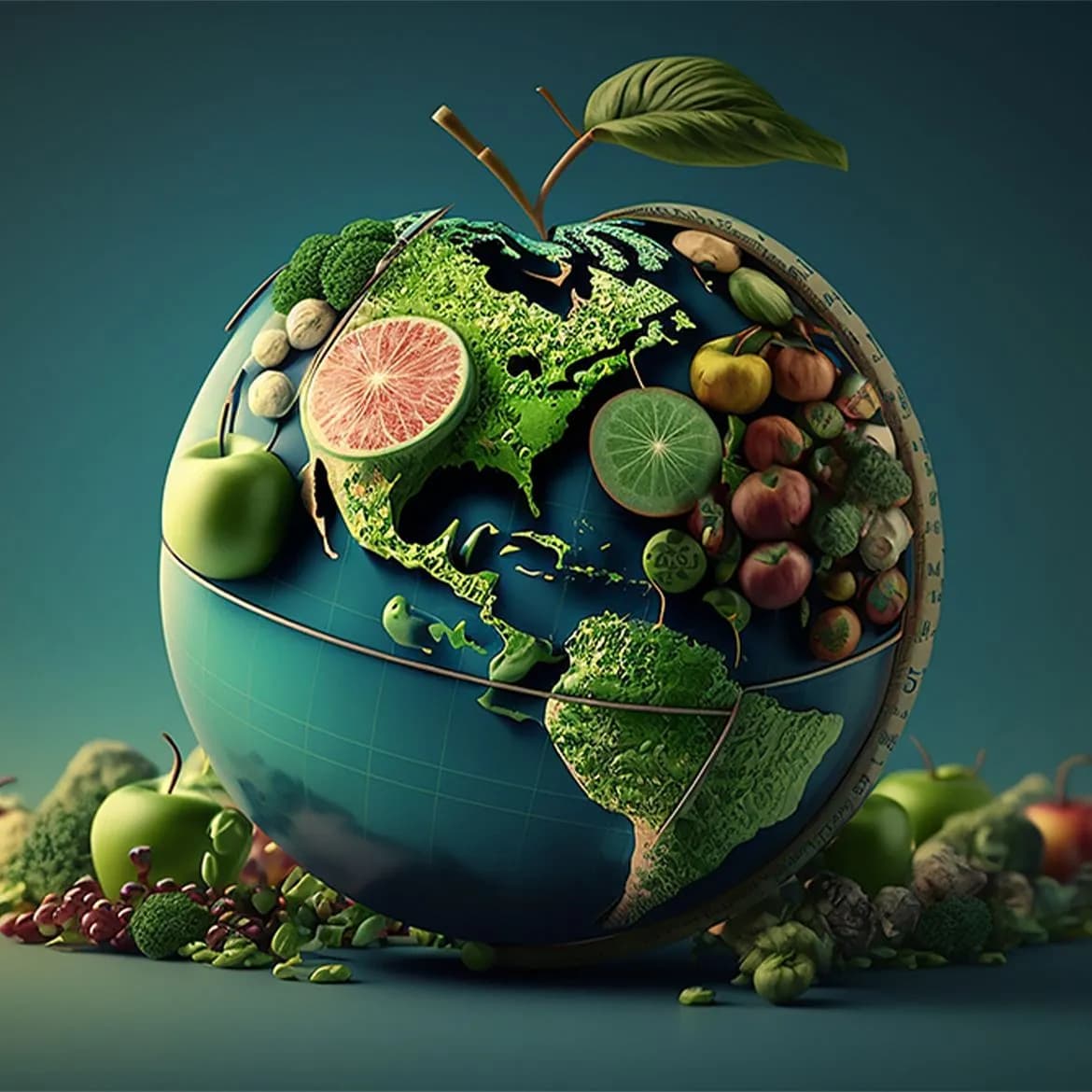
In recent years, plant-based diets have significantly increased in popularity. More and more people are recognizing the numerous benefits of adopting a plant-based lifestyle for their health and the environment. A plant-based diet primarily focuses on consuming foods derived from plants, such as fruits, vegetables, whole grains, legumes, and nuts, while minimizing or eliminating the consumption of animal products. Various factors, including health concerns, ethical considerations, and environmental consciousness, drive this shift in dietary choices.
One of the main reasons plant-based diets are gaining traction is their numerous health benefits. Research has shown that people who follow a plant-based diet tend to have lower risks of developing chronic diseases such as heart disease, high blood pressure, diabetes, and certain types of cancer. Plant-based diets are typically low in saturated fats and cholesterol while rich in fibre, antioxidants, vitamins, and minerals. These nutrient-dense foods can help improve overall health and increase longevity.
Furthermore, a plant-based diet can also contribute to weight management and loss. Plant-based foods are generally lower in calories than animal products, making achieving and maintaining a healthy weight easier. They are also typically higher in fibre, which promotes a feeling of fullness and helps control appetite. Additionally, plant-based diets have been associated with improved digestion and gut health, as the abundance of fibre helps regulate bowel movements and supports the growth of beneficial gut bacteria.
While the benefits of a plant-based diet are clear, transitioning from a diet that includes animal products to an entirely plant-based one can pose some challenges. One of the main concerns for individuals considering this transition is ensuring adequate protein intake. However, contrary to popular belief, plenty of vegan protein sources are available. Legumes such as lentils, chickpeas, and black beans are excellent protein sources, as are tofu, tempeh, and seitan. Nuts and seeds, such as almonds, chia, and hemp seeds, also provide protein while offering additional nutritional benefits.
Another challenge of transitioning to a plant-based diet is the potential for nutrient deficiencies. It is essential to ensure adequate intake of nutrients such as iron, calcium, vitamin D, and vitamin B12, often found in higher amounts in animal products. However, with proper planning and a varied diet, plant-based sources can meet these nutrient needs. For example, leafy green vegetables like kale and spinach are rich in iron, while fortified plant-based milk and tofu can provide calcium. Vitamin B12, primarily found in animal products, can be obtained through fortified foods or supplements.
Protein is an essential macronutrient that plays a crucial role in various bodily functions, including muscle growth, repair, and maintenance. Many people believe that animal-based products are the only reliable source of protein, but numerous vegan protein sources can meet daily requirements.
Transitioning to a plant-based diet can be a gradual process, and finding a balance that works for you is important. Start by incorporating more plant-based foods into your meals and gradually reducing your consumption of animal products. Experiment with different recipes and Flavors to make the transition enjoyable and sustainable. Try replacing meat with plant-based proteins like tofu or tempeh in your favourite stir-fries, or opt for a hearty lentil or chickpea curry instead of a meat-based dish.
Increasing your intake of fruits and vegetables is also crucial when embracing a plant-based lifestyle. Aim to include a variety of colourful fruits and vegetables in your meals to ensure a wide range of nutrients. Experiment with different cooking methods, such as roasting or grilling, to enhance the Flavors and textures of plant-based foods. Consider using spices and herbs to add depth and complexity to your dishes. Gradually reducing your reliance on processed foods and incorporating more whole, unprocessed plant-based foods will improve your health and expand your culinary horizons.
Embracing a plant-based lifestyle can be a transformative and rewarding experience. Here are some tips to help you:
Despite the growing popularity of plant-based diets, there are still some myths and misconceptions surrounding this way of eating.
In addition to the health benefits, a plant-based diet can positively impact the environment. Animal agriculture significantly contributes to greenhouse gas emissions, deforestation, and water pollution. By reducing or eliminating the consumption of animal products, individuals can reduce their carbon footprint and help combat climate change. Plant-based diets require fewer resources, such as land, water, and energy, making them more sustainable and environmentally friendly.
Furthermore, plant-based diets can help conserve biodiversity and protect ecosystems. The production of animal products often involves clearing vast areas of land for livestock grazing or growing animal feed crops. This destruction of natural habitats can devastate wildlife populations and contribute to biodiversity loss. By choosing plant-based foods, individuals can contribute to preserving ecosystems and protecting endangered species.
The popularity of plant-based diets is a testament to the growing awareness of their benefits, both for individuals and the planet. By embracing a plant-based lifestyle, you can improve your health, reduce your environmental impact, and contribute to a more sustainable future. While transitioning to a plant-based diet may pose some challenges, the abundance of vegan sources of protein and nutrients makes it entirely feasible. With proper planning, education, and support, you can successfully embrace the change and enjoy a vibrant and fulfilling plant-based lifestyle.
Ready to make the switch? Start your journey towards a plant-based lifestyle today with the help of our experienced dieticians and experience the countless benefits it offers. Your health and the planet will thank you.

Download Our App


Powered By Docfyn