
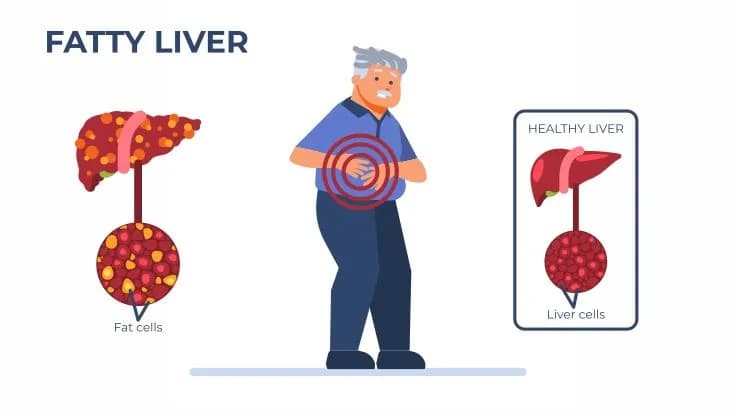
Excessive fat accumulation in the liver characterizes fatty liver, a condition prevalent among individuals with diabetes and those who are overweight. It is also known as hepatic steatosis. While it may manifest without noticeable symptoms, it poses a risk for significant health issues. Taking proactive steps to modify your lifestyle is crucial in preventing and improving this condition.
Ideally, the liver, the primary organ for processing food and waste, contains minimal or no fat. However, excess calories, whether from alcohol or food, prompt the body to convert some calories into fat. This surplus fat is then stored within liver cells.
When the fat content surpasses 5% to 10% of the liver's total weight, it results in the diagnosis of fatty liver. The prevalence of this condition is on the rise, coinciding with an increased consumption of added sugars and fats.
Types of fatty liver disease:
When excessive fat accumulates in the liver due to significant alcohol consumption, the condition is identified as alcoholic fatty liver disease (AFLD).
Conversely, in individuals who do not engage in heavy alcohol consumption, the condition is referred to as non-alcoholic fatty liver disease (NAFLD).
Fatty liver disease often presents without noticeable symptoms. However, individuals experiencing symptoms may:
Indicators of a potentially more severe form of fatty liver disease include:
We recommend consulting with our doctors for proper evaluation and guidance if you observe any of these symptoms.
Fatty liver typically develops due to a combination of factors over an extended period. The primary causes include:
Less common causes include:
Complications late in pregnancy can also lead to fatty liver in some cases.
There are two main types of fatty liver disease:
To diagnose fatty liver disease, your doctor will thoroughly discuss it with you, followed by a physical examination. Additionally, you may be required to undergo a liver function test, a blood test assessing the health of your liver. Diagnostic imaging, such as an ultrasound or an MRI scan, may also be recommended.
If these initial tests indicate fatty liver, further assessments may be necessary. Depending on the results, your doctor might suggest consulting a gastroenterologist. In severe cases, a liver biopsy may be organized by a specialist to confirm the diagnosis and assess the disease’s severity.
No specific medications are designed to treat fatty liver disease. Instead, management focuses on lifestyle changes to improve or reverse the condition.
The recommended steps for individuals with metabolic-associated fatty liver disease include:
If alcohol is the cause of fatty liver, the primary treatment involves complete abstinence from alcohol to prevent the progression of the condition.
Preventing metabolic-associated fatty liver disease involves following lifestyle advice similar to those already diagnosed. This includes:
If you are not accustomed to regular exercise, it is advisable to consult with your doctor before initiating any new fitness routine.
“Ready to Take Control of Your Liver Health? Schedule a Consultation Today!
If you’re concerned about fatty liver disease, have been diagnosed, and need expert guidance, our specialized team at Apex Hospitals is here to support you. From comprehensive diagnostics to personalized treatment plans, we’re dedicated to helping you achieve optimal liver health.


Download Our App


Powered By Docfyn