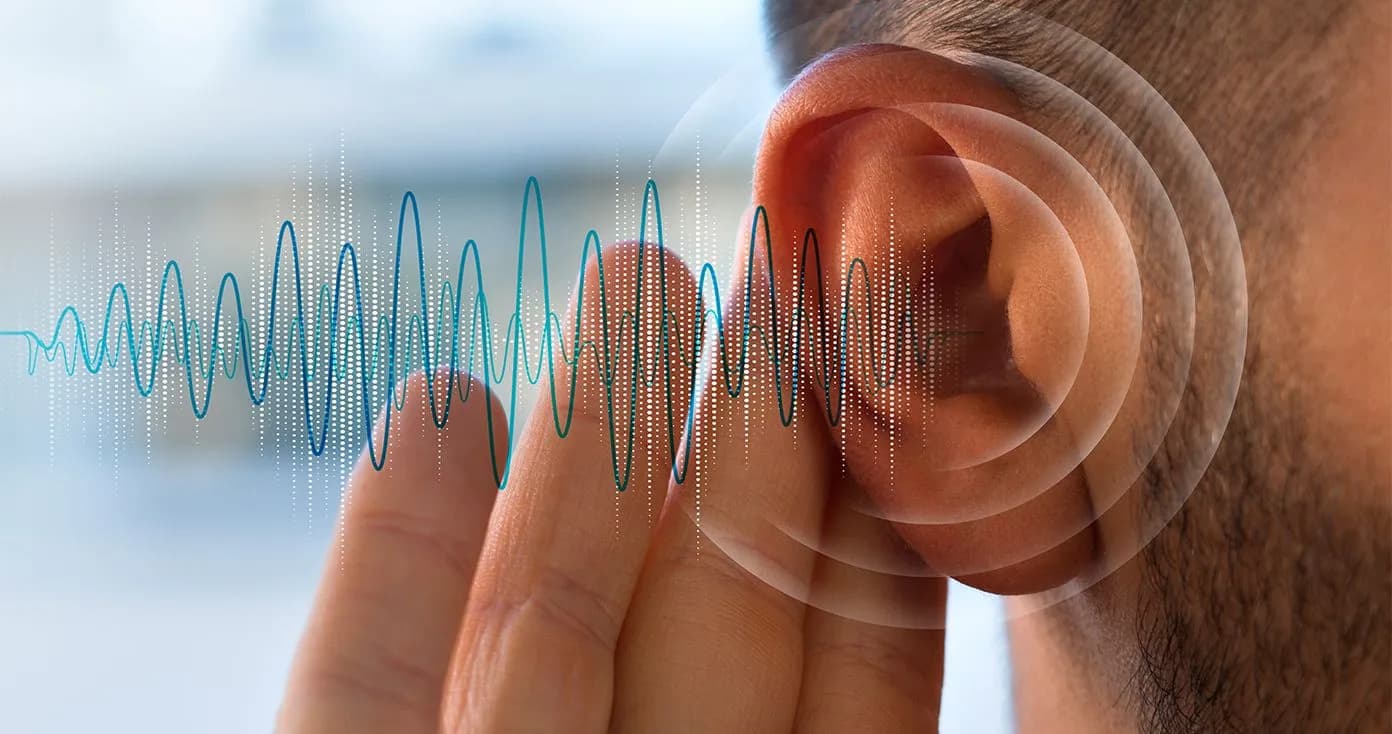
Hearing loss is a prevalent condition affecting millions worldwide, cutting across age groups and demographics. It can significantly impact one's quality of life, making it essential to understand its underlying causes, recognizable symptoms, and the vast array of available treatment options. Whether it's due to aging, exposure to loud noises, or underlying medical conditions, hearing loss varies significantly in its manifestation and severity.
What is hearing loss?
Hearing loss is a partial or total inability to hear sounds in one or both ears. It can occur suddenly or gradually and affects people of all ages. The condition can range from mild, where only soft sounds are complex to hear, to profound, where no sounds are heard.
Hearing loss can significantly impact communication, social interactions, and overall quality of life. Identifying the type and cause of hearing loss is crucial for determining the most effective treatment options, including hearing aids, cochlear implants, medications, or surgery.
Types of hearing loss
There are three types of hearing loss:
- Conductive: Involves the outer or middle ear.
- Sensorineural: Involves the inner ear.
- Mixed: A combination of conductive and sensorineural.
Hearing loss can be caused by aging and exposure to loud noises. Other factors, such as excessive earwax, can temporarily reduce hearing ability. While hearing loss is often irreversible, there are ways to improve hearing, such as hearing aids or other medical treatments.
Causes of hearing loss
The three most common causes of hearing loss are conductive hearing loss, sensorineural hearing loss (SNHL), and mixed hearing loss.
1. Conductive Hearing Loss:
Conductive hearing loss occurs when there is a problem with the transmission of sound waves through the outer ear, ear canal, or middle ear. This type of hearing loss typically results from physical blockages or malfunctions in these areas, which prevent sound from reaching the inner ear. Common causes include:
- Earwax buildup: Excess earwax can block the ear canal.
- Fluid in the middle ear: Often due to colds, allergies, or infections.
- Middle ear infections (otitis media): Inflammation and fluid buildup can impair hearing.
- Swimmer’s ear (otitis externa): Infection of the outer ear canal.
- Eustachian tube dysfunction: Fluid can become trapped in the middle ear due to problems with this tube.
- Ruptured eardrum: A tear in the eardrum can affect hearing.
- Ear tumours: Growths in the ear can block sound transmission.
- Congenital conditions: Structural issues at birth affect the middle or outer ear.
2. Sensorineural Hearing Loss:
Sensorineural hearing loss (SNHL) occurs when there is damage to the inner ear (cochlea) or the auditory nerve pathways that lead to the brain. This type of hearing loss is typically permanent and can result from various factors, including:
- Aging: Natural degeneration of the inner ear structures over time.
- Noise exposure: Long-term exposure to loud noises, such as in noisy work environments like factories and construction sites, or short-term exposure to loud sounds.
- Genetic conditions: Inherited disorders that affect the inner ear.
- Health conditions like coronary artery disease, high blood pressure, strokes, or diabetes can impact hearing.
- Ototoxicity: Damage caused by specific toxic medications or chemicals to the inner ear.
- Head trauma: Injuries to the head can damage the inner ear structures or auditory nerve.
- Congenital infections: Infections present at birth, such as cytomegalovirus (CMV), can affect hearing.
3. Mixed Hearing Loss:
This combination of conductive and sensorineural hearing loss affects the outer, middle, and inner ear. For instance, taking medications that affect the inner ear and accidentally rupturing the eardrum in the middle ear can result in mixed hearing loss.
Symptoms of hearing loss
The symptoms of hearing loss can vary depending on the type and severity of the loss. Common signs include:
- Difficulty Hearing Conversations: Struggling to understand speech, especially in noisy environments or when multiple people speak.
- Frequently Asking for Repetition: Needing people to repeat themselves often or asking them to speak more slowly.
- Muffled Sounds: Sounds may seem muted or unclear, making distinguishing between different noises or understanding conversations difficult.
- Increased Volume on Devices: Frequently turning up the volume on the television, radio, or phone.
- Trouble Hearing High-Frequency Sounds: You may have difficulty hearing high-pitched sounds such as birds chirping or the voices of children and women.
- Ringing or Buzzing in the Ears: Experiencing tinnitus, a condition where you hear ringing, buzzing, or other sounds that are not present in the environment.
- Difficulty Following Conversations: Struggling to keep up with conversations, especially in groups or when multiple people talk simultaneously.
- Social Withdrawal: Avoiding social situations or becoming less active due to difficulty hearing or understanding others.
- Increased Fatigue: Feeling tired or mentally exhausted from the effort required to hear and understand conversations.
- Feeling of Fullness in the Ear: A sensation of fullness or pressure in the ear, sometimes accompanying hearing loss..
Treatment of hearing loss
Treatment options depend on the type of hearing loss:
1. Conductive Hearing Loss:
- Medications: Antibiotics or other medications to treat ear infections.
- Surgical Procedures: Tympanoplasty to repair a ruptured eardrum, tympanostomy to insert ear tubes, or surgery to remove tumours.
- Removal of Obstructions: Procedures to clear earwax or foreign objects from the ear canal.
2. Sensorineural Hearing Loss:
- Medications: Corticosteroids to reduce inflammation in the cochlea hair cells, significantly if damaged by loud noise exposure.
- Hearing Devices: Hearing aids or cochlear implants can improve hearing.
3. Mixed Hearing Loss:
- Customized Treatments: Based on the specific problems affecting the outer, middle, and inner ears, treatments may combine the above approaches.
No matter the type of hearing loss you’re experiencing, Apex Hospitals is here to assist you. Our ENT department has the latest technology and expertise to provide comprehensive care. Book your appointment now and take the first step towards better hearing and a healthier future.