
Bone marrow is a soft, spongy tissue located at the core of bones, serving as the body’s powerhouse for blood cell production. It plays a vital role in producing:
Certain diseases and medical conditions, like leukemia, lymphoma, severe anemia, immune system disorders, or aggressive treatments like chemotherapy, can severely damage the bone marrow, compromising its ability to function correctly. When this happens, a bone marrow transplant may become necessary—a life-saving procedure that offers a second chance to those in critical need.
The human body is a masterpiece of biological engineering, with each component working seamlessly to sustain life. Among these, bone marrow often goes unnoticed, yet it serves as a critical foundation for maintaining our overall health. When this vital system is disrupted, it can lead to life-threatening conditions. Fortunately, modern medicine has gifted us the remarkable procedure of bone marrow transplantation, which has become a beacon of hope for countless individuals worldwide.
In this guide, we’ll dive deep into the essentials of bone marrow transplants, exploring their importance, process, and impact while addressing common myths surrounding this life-changing treatment.
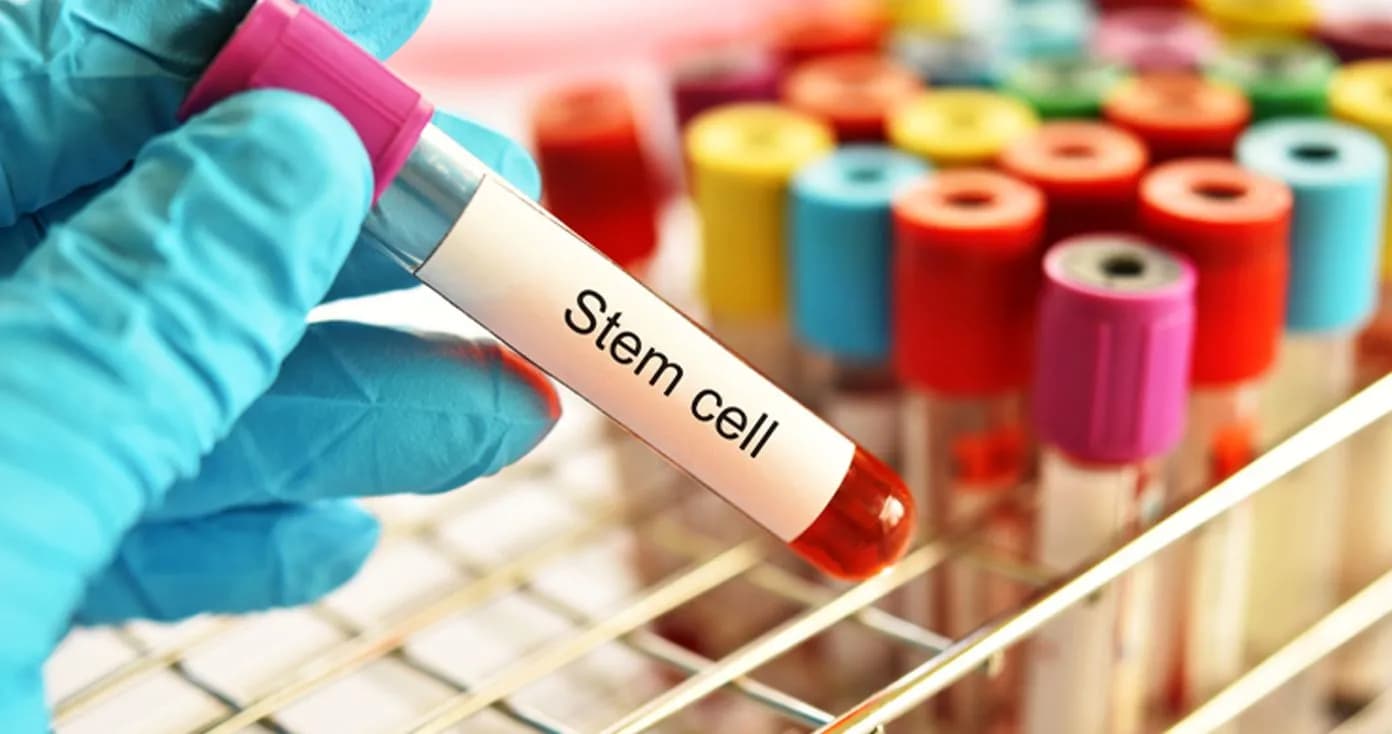
A bone marrow transplant (BMT) is a revolutionary medical therapy for treating certain cancers and other serious diseases. This procedure involves collecting healthy stem cells found in the bone marrow, filtering them, and then transplanting them into the patient. The transplant can either use the patient’s healthy cells (autologous transplant) or cells from a donor (allogeneic transplant). The primary aim is to replace damaged or diseased bone marrow with healthy cells, allowing the body to regenerate and function properly.
Since its first successful application in 1968, BMT has been instrumental in treating conditions like leukemia, lymphomas, aplastic anemia, immune deficiency disorders, and even some solid tumours. Often referred to as a stem cell transplant, this life-saving procedure involves infusing healthy, blood-forming stem cells into the body to replace malfunctioning bone marrow.
Bone marrow transplants (BMT) come in various types, depending on the donor's identity and relationship to the patient. Each type has specific applications and benefits. Here's an overview of the key types of BMT:
1. Autologous Bone Marrow Transplant
In this type, the patient serves as the donor. Stem cells are harvested from the patient through either:
2. Allogeneic Bone Marrow Transplant
Here, the stem cells are donated by someone who shares a genetic type similar to the patient's. Common donors include:
3. Umbilical Cord Blood Transplant
This innovative method involves collecting stem cells from the umbilical cord immediately after a baby’s birth. These cells are:
The choice of transplant depends on factors like the patient’s condition, the availability of a donor, and the treatment plan. Each type of BMT has its advantages and considerations, making it essential for patients and their healthcare team to make an informed decision.
Through these diverse options, bone marrow transplants continue to save lives, offering a fresh start for individuals battling severe illnesses.
Bone marrow transplants are commonly recommended for individuals with:
While bone marrow transplants are life-saving, they do carry risks:
Medical technology and expert care advancements have significantly reduced these risks, making the procedure safer.
At Apex Hospitals, we specialize in advanced bone marrow transplant procedures with state-of-the-art technology and a team of dedicated experts. From diagnosis to recovery, we’re committed to providing compassionate, world-class care every step of the way.
Your second chance at life starts here. Let us walk this journey with you.


Download Our App


Powered By Docfyn