By Apex Hospitals, Jaipur 4th April, 2026 6 min read
Deep Vein Thrombosis, or DVT, is a condition in which a blood clot forms inside a deep vein, most commonly in the leg. It is more common than most people realize, and far more dangerous than it appears.
A clot sitting in the leg may cause swelling, pain, and redness. But the real danger of DVT is what happens if that clot breaks free. It can travel through the bloodstream to the lungs, causing a pulmonary embolism, a potentially life-threatening emergency that can happen suddenly, without warning.
Understanding DVT, what causes it, who is at risk, and what the warning signs look like, can genuinely save a life. This guide explains everything you need to know, in plain language.
How common is DVT? DVT affects an estimated 1–2 people per 1,000 every year globally. It is responsible for tens of thousands of deaths annually through pulmonary embolism, many of which are preventable with early diagnosis and treatment. |
The body has two types of veins, superficial veins close to the skin, and deep veins that run through the muscles. DVT occurs when a blood clot (thrombus) forms inside one of these deep veins, most often in the calf, thigh, or pelvis.
Blood clots form when blood flow slows down, when the blood becomes thicker than usual, or when the wall of a blood vessel is damaged. In a healthy person with normal circulation, blood flows continuously and clots dissolve naturally. But in certain conditions, this process is disrupted, and a clot can form and grow.
A clot in a deep vein does not always cause obvious symptoms. Some people have no symptoms at all. Others may notice swelling, warmth, or aching in the affected leg. But whether or not it hurts, a DVT must be treated promptly to prevent it from becoming a pulmonary embolism.
The greatest danger: A pulmonary embolism (PE) occurs when a blood clot from the leg breaks off and travels to the lungs. It can cause sudden breathlessness, chest pain, and in severe cases, cardiac arrest. PE is one of the leading causes of preventable hospital death worldwide. |
DVT does not always cause symptoms, which is one of the reasons it is so dangerous. When symptoms do occur, they typically affect one leg and may include:
• Swelling in the leg, ankle, or foot, often on one side only
• Pain or tenderness in the leg, often described as cramping or a deep ache, starting in the calf
• Warmth in the affected area
• Red or discoloured skin over the affected vein
• A heavy or tired feeling in the leg
These symptoms can come on gradually or quite suddenly. They may be mild enough to dismiss as a muscle strain, which is exactly why many cases of DVT go undiagnosed until a complication develops.
• Sudden shortness of breath that comes on without exertion
• Sharp chest pain that worsens when breathing deeply
• Coughing up blood
• Rapid heart rate
• Dizziness, lightheadedness, or fainting
Emergency: If you or someone nearby develops sudden breathlessness and chest pain especially if there is also leg swelling, call emergency services immediately. A pulmonary embolism is a medical emergency. |
DVT is caused by a combination of factors that affect blood flow, blood thickness, or the condition of the vein walls. These are often described using Virchow’s Triad, three conditions that together increase clot formation:
• Slow or reduced blood flow — when blood moves too slowly through a vein, it is more likely to clot
• Damage to a vein wall — injury or inflammation to the inner lining of a vein
• Increased tendency to clot — changes in the blood’s composition that make it thicker or more prone to clotting
• Prolonged immobility — long-haul flights, long car journeys, or being bedridden after surgery or illness are among the most common triggers
• Recent surgery — particularly orthopaedic surgeries like hip or knee replacement, abdominal surgery, or any procedure requiring general anaesthesia
• Hospitalisation — patients confined to bed in hospital face a significantly elevated risk
• Cancer — many cancers increase blood clotting activity, and some cancer treatments further raise the risk
• Pregnancy and the postpartum period — hormonal changes increase clotting tendency
• Hormonal contraception or hormone replacement therapy (HRT)
• Older age — risk increases significantly after 60
• Obesity — excess weight puts pressure on the veins of the legs and pelvis
• A personal or family history of DVT or clotting disorders
• Smoking — damages blood vessel walls and affects circulation
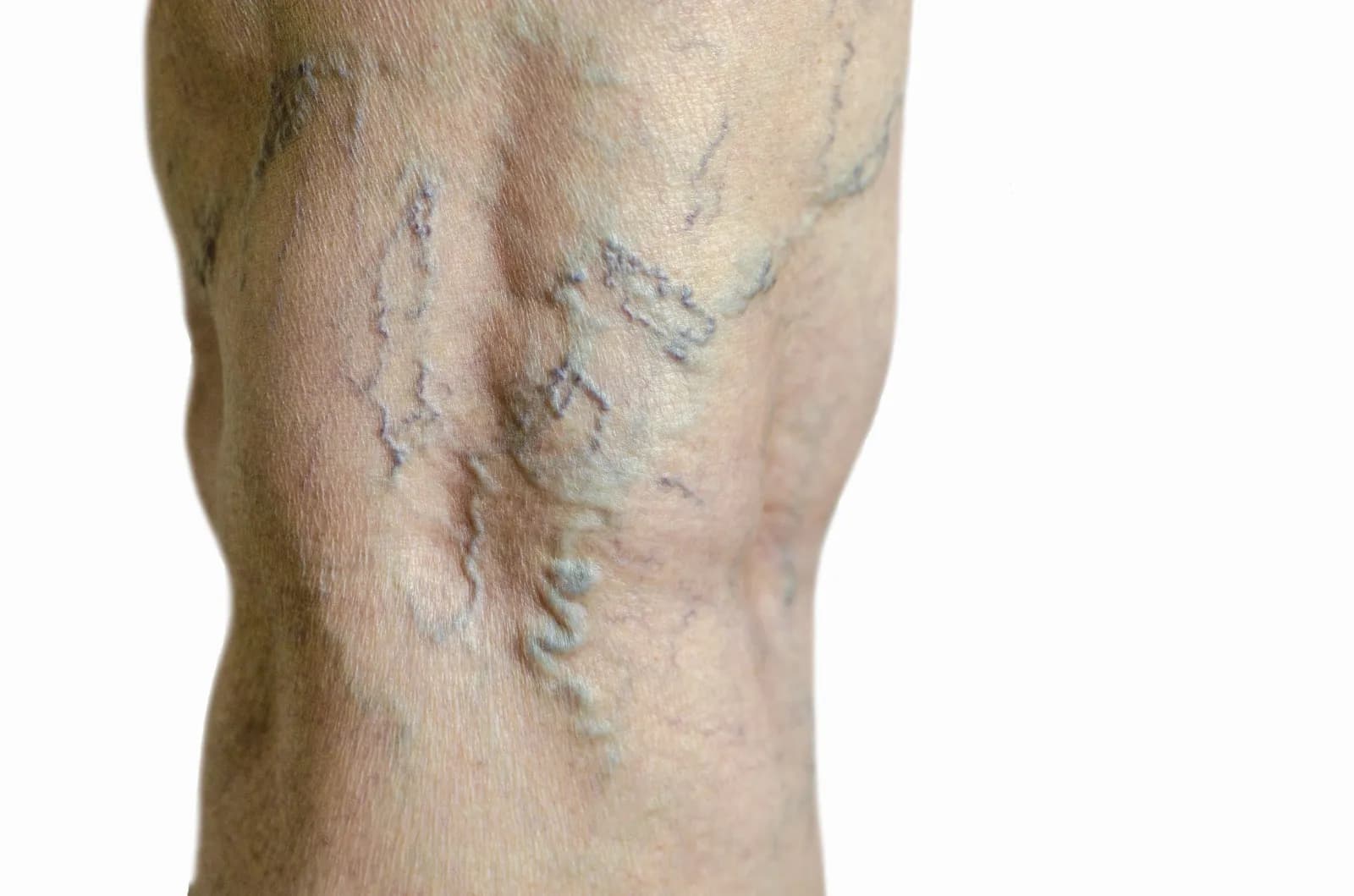
• Varicose veins — damaged, enlarged veins with impaired blood flow
• Inflammatory conditions — such as inflammatory bowel disease or lupus
Economy class syndrome: Sitting still for more than 4 hours on a flight, especially in cramped conditions, significantly increases DVT risk. Moving your legs, staying hydrated, and walking the aisle regularly are all effective prevention measures. |
If DVT is suspected based on symptoms and risk factors, a vascular specialist will typically recommend the following tests:
• Duplex ultrasound — the most commonly used and most effective test for diagnosing DVT. It uses sound waves to visualize blood flow in the veins and can detect a clot with high accuracy. It is painless and non-invasive.
• D-dimer blood test — measures a substance released when a blood clot breaks down. A negative D-dimer result effectively rules out DVT in low-risk patients. A positive result requires further imaging.
• CT venography or MRI — used in complex cases or when the clot is suspected in deeper veins of the pelvis or abdomen that are harder to image with ultrasound.
• Venography — an older technique where contrast dye is injected into the vein and X-rays are taken. Rarely used today but occasionally necessary for specific cases.
If a pulmonary embolism is suspected, a CT pulmonary angiogram (CTPA) is the investigation of choice and can confirm the diagnosis within minutes.
The goals of DVT treatment are to stop the clot from growing, prevent it from travelling to the lungs, and reduce the risk of future clots. Treatment depends on the size and location of the clot, the patient’s overall health, and the underlying cause.
The main treatment for DVT. Anticoagulant medications do not dissolve the clot, but they prevent it from getting bigger and reduce the risk of new clots forming. The body’s own natural systems then gradually break down the existing clot. Options include:
• Direct oral anticoagulants (DOACs) — such as rivaroxaban or apixaban. Now the preferred first-line treatment for most patients. Taken as tablets, no injections required.
• Low molecular weight heparin (LMWH) — given by injection, often used initially or in cancer patients and during pregnancy.
• Warfarin — an older anticoagulant that requires regular blood monitoring. Still used in some specific situations.
In severe cases, particularly where a large clot threatens limb viability or causes a life-threatening pulmonary embolism, thrombolysis may be used. This involves administering a clot-dissolving drug directly into the affected vein or artery.
In patients who cannot take anticoagulants, a small filter may be placed in the inferior vena cava, the large vein carrying blood from the legs to the heart, to catch any clots before they reach the lungs.
Graduated compression stockings help improve blood flow in the legs and are often recommended alongside anticoagulation to reduce swelling and prevent post-thrombotic syndrome, a long-term complication of DVT that causes chronic leg pain and swelling.
Duration of treatment: Most patients with DVT are treated with anticoagulants for 3–6 months. Those with recurrent DVT, cancer-related clots, or clotting disorders may require longer or indefinite treatment. Your vascular specialist will advise based on your individual situation. |
Many cases of DVT are preventable. Here is what makes a meaningful difference:
• Move regularly — avoid sitting still for long periods. On long flights or journeys, get up and walk every 1–2 hours
• Stay hydrated — dehydration thickens the blood
• Exercise regularly — walking and leg exercises keep blood flowing through the veins
• Wear compression stockings — especially during long flights or if you have varicose veins
• If you are having surgery — ask your surgeon about DVT prevention. Most hospitals now give blood thinning injections before and after major operations
• Maintain a healthy weight — obesity is a significant risk factor
• Quit smoking — smoking damages vein walls and impairs circulation
• If you are on the pill or HRT — discuss your clot risk with your doctor, especially if you have other risk factors
Post-thrombotic syndrome (PTS) is a long-term complication that affects up to 50% of DVT patients. It occurs when the damaged vein does not heal properly after a clot, leading to chronic symptoms in the affected leg.
Symptoms include persistent leg swelling, heaviness, aching, skin discolouration, and in severe cases, venous leg ulcers, open sores that are difficult to heal.
Wearing compression stockings consistently after a DVT significantly reduces the risk of developing PTS.
Seek medical attention promptly if you notice:
• Swelling in one leg, especially with pain or warmth
• A deep ache or cramp in the calf that does not resolve
• Redness or discolouration along a vein
• Any of the above following recent surgery, hospitalisation, or a long journey
Seek emergency care immediately if you develop sudden shortness of breath, chest pain, or cough up blood, these could indicate a pulmonary embolism.
At Apex Hospitals, Jaipur, the Department of Vascular & Endovascular Surgery offers advanced diagnosis and treatment for DVT, pulmonary embolism, peripheral artery disease, varicose veins, aortic aneurysms, and all vascular conditions. The department is led by Dr. Aadarsh Kabra, Director – Vascular & Endovascular Surgery, and is supported by state-of-the-art imaging, endovascular intervention facilities, and a dedicated vascular ICU.
Concerned about leg swelling or pain?
Get evaluated by our vascular team today. Don’t ignore it.
Book a Consultation
Medically Reviewed By
Director – Vascular & Endovascular Surgery
MBBS | DNB – General Surgery | DNB (Peripheral Vascular Surgery) | F.V.E.S
Apex Hospitals, Malviya Nagar, Jaipur
.webp)