
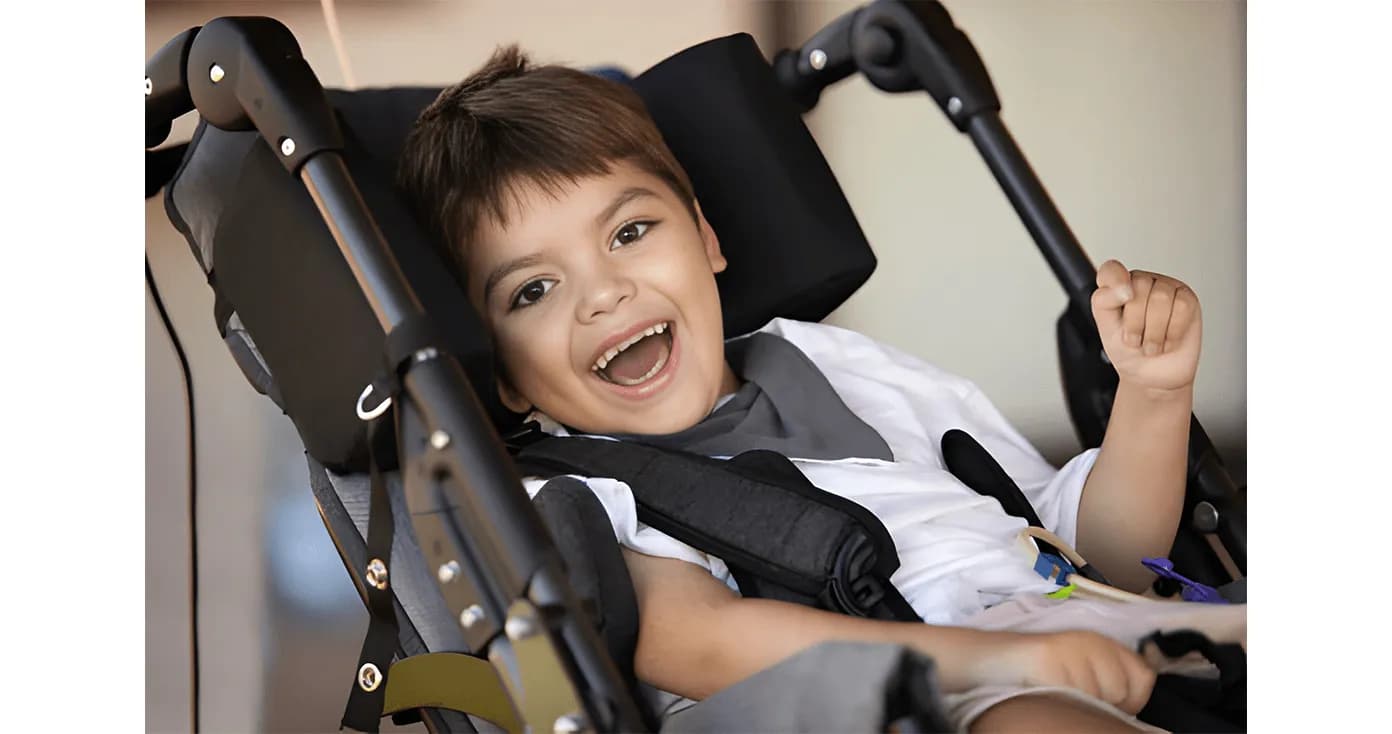
Cerebral Palsy (CP) is a lifelong condition, but with early intervention and proper care, individuals can improve their abilities and quality of life. Globally, cerebral palsy affects approximately 2–3 children per 1,000 live births, making it one of the most common childhood physical disabilities. In India, awareness and early diagnosis are crucial to ensure timely medical support and therapy.
Cerebral palsy (CP) is a group of neurological conditions that affect movement, posture, and muscle coordination. It occurs due to damage to the developing brain, most commonly before birth, but sometimes during childbirth or in early infancy. Symptoms of CP usually appear during infancy or the preschool years, and they can range from very mild to severe. Some children may have stiff muscles, a condition called spasticity, while others may have floppy muscles or exaggerated reflexes. CP can affect posture, coordination, walking, and overall control of movements. Some children may have an unsteady gait, uncontrolled movements, or irregular posture. In addition to movement difficulties, cerebral palsy can also impact other functions. Children may have trouble swallowing, experience eye muscle imbalance, or have a reduced range of motion in their joints due to muscle stiffness. Epilepsy, hearing or vision impairments, and intellectual disabilities may also be present in some cases, though not all children with CP are affected in the same way. The severity and type of CP vary widely. Some individuals can walk independently, while others may require mobility aids or assistance. Cognitive abilities also differ; having CP does not necessarily mean a child will have an intellectual disability. Although there is no cure for cerebral palsy, early diagnosis and treatment can significantly improve function and quality of life. Therapies such as physical therapy, occupational therapy, speech therapy, and assistive devices can help children develop motor skills, improve posture, and gain greater independence. Cerebral palsy is a lifelong condition, but it does not worsen over time. With timely interventions, supportive care, and rehabilitation, children with CP can lead fulfilling lives, reach developmental milestones, and participate in daily activities to the best of their abilities.
Cerebral palsy (CP) often becomes noticeable during a child’s early development, usually within the first two years of life. Parents and caregivers may observe developmental delays, where the child is slower than peers to reach milestones, such as sitting, crawling, standing, or walking.
It’s important to note that not all children show the same signs, and severity varies widely. Early recognition and intervention can make a significant difference in improving motor skills, coordination, and overall development. Parents noticing these signs should consult a paediatrician or pediatric neurologist for assessment and early intervention programs, which may include physical therapy, occupational therapy, and speech therapy.
Cerebral palsy affects muscle movement, posture, and coordination. Symptoms can vary widely from child to child, depending on the type and severity of CP. Common signs include:
Note: Not every child with CP will have all of these symptoms. Some may have mild difficulties, while others experience more severe challenges. Early diagnosis and intervention are key to improving mobility, communication, and overall quality of life.
Cerebral palsy is caused by damage to the developing brain, often before or during birth, and sometimes in early childhood. This damage affects how the brain controls muscle movements and posture. Common causes include:
Risk Factors for Cerebral Palsy Certain factors increase the likelihood of a child developing CP:
Key Point: Cerebral palsy is not caused by anything the parents did or did not do. Many risk factors are beyond anyone’s control, and early medical care can improve outcomes for affected children.
Early diagnosis of cerebral palsy is essential for timely therapy and improved outcomes. Diagnosis typically involves:
Neurologists and therapists usually work together to evaluate the child and create a personalized care plan.
While there is no cure for cerebral palsy, treatments can help manage symptoms and improve quality of life. Options include:
Lifestyle Tips and Support
Parents should consult a pediatrician or neurologist if their child shows:
Early intervention can significantly improve motor skills, independence, and overall quality of life.
At Apex Hospitals, we provide comprehensive care for children with cerebral palsy, including:
“With early intervention and the right care, children with cerebral palsy can lead fulfilling lives,” says Dr. Vipin Ola, Director- Neurology at Apex Hospitals. Cerebral palsy is a lifelong condition, but with early diagnosis, therapy, and continuous support, children can achieve their full potential. Apex Hospitals is committed to providing expert care, rehabilitation, and guidance to ensure a better quality of life for children with CP and their families.


Download Our App


Powered By Docfyn