
Understanding how a bone marrow transplant restores your body's ability to produce healthy red blood cells — and why it can be life-saving for blood disorders.
By the Apex Hospitals Medical Editorial Team · Published July 2025
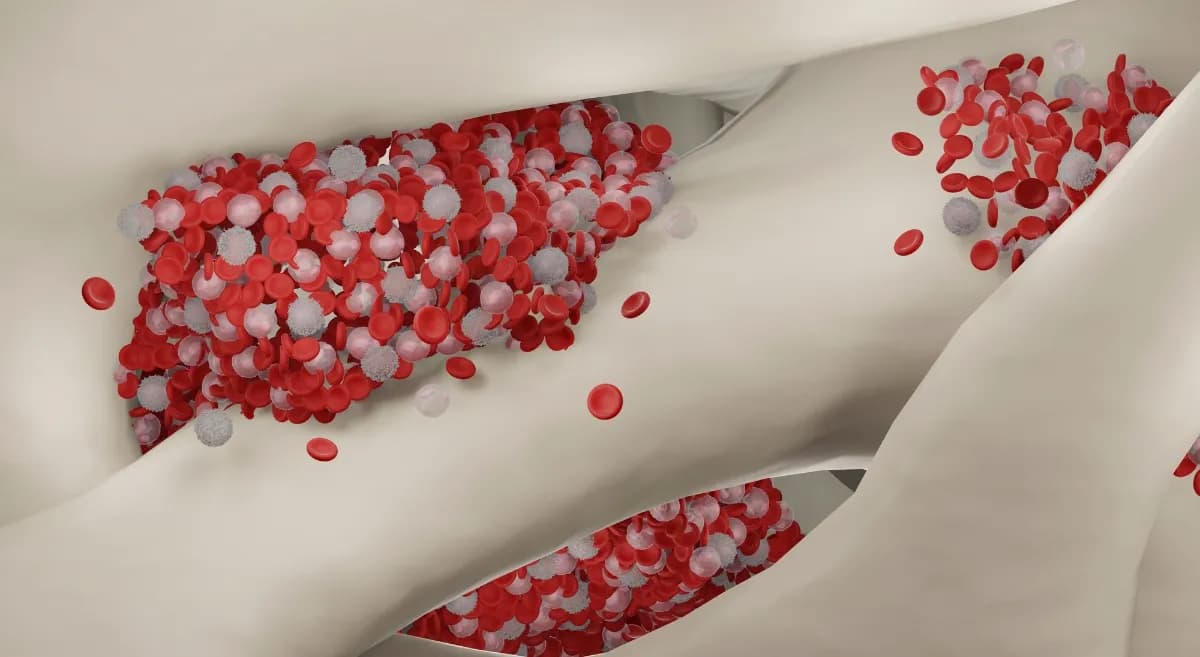
Every red blood cell circulating through your body was born in the soft, spongy tissue nestled inside your bones — the bone marrow. This remarkable factory produces roughly 2 million red blood cells every second in a healthy adult, each one packed with haemoglobin to carry oxygen from the lungs to every organ and tissue.
When disease disrupts this process — whether through leukaemia, aplastic anaemia, sickle cell disease, thalassaemia, or myelodysplastic syndromes — red blood cell production falters. Patients experience profound fatigue, breathlessness, pallor, and, in severe cases, organ damage from chronic oxygen deprivation. A bone marrow transplant (BMT), also called a haematopoietic stem cell transplant (HSCT), is often the only treatment capable of permanently restoring this production line.
At Apex Hospitals' Haemato-Oncology department in Jaipur, our clinical team manages the full spectrum of blood disorders that may ultimately require transplantation, from initial diagnosis through long-term recovery.
The process begins with haematopoietic stem cells (HSCs) — master cells that can self-renew and differentiate into all blood cell types. Under the influence of growth factors such as erythropoietin (EPO), a committed progenitor called a proerythroblast undergoes a series of maturation steps over 5–7 days, ultimately shedding its nucleus to become a mature red blood cell (erythrocyte).
Each mature red blood cell lives approximately 120 days before being recycled by the spleen and liver. This means the marrow must continuously replace the entire red cell mass — roughly 25 trillion cells — over that period. Any disease that destroys HSCs or crowds them out (as malignant cells do in leukaemia) quickly leads to anaemia and its downstream consequences.
Understanding this biology explains why transplantation works: by replacing diseased or absent HSCs with healthy donor cells, the marrow regains the capacity to generate normal red blood cells, white blood cells, and platelets.
Several haematological conditions specifically impair red blood cell production or survival, making BMT a central treatment option:
Aplastic Anaemia: The immune system attacks HSCs, leaving the marrow nearly empty. Severe aplastic anaemia carries a high mortality without transplantation.
Thalassaemia Major: A genetic defect in haemoglobin synthesis forces patients onto lifelong blood transfusions. BMT offers the only curative option, particularly effective in children transplanted early.
Sickle Cell Disease: Abnormal haemoglobin causes red cells to deform into rigid crescents, blocking small vessels and causing painful crises. Allogeneic BMT can eliminate the disease entirely.
Myelodysplastic Syndromes (MDS): Dysplastic marrow produces ineffective red cells, causing refractory anaemia that may progress to acute leukaemia.
Acute Leukaemia: Malignant blast cells overwhelm the marrow, suppressing normal red cell production. Post-remission BMT consolidates the cure and restores haematopoiesis.
Patients in Rajasthan with thalassaemia and sickle cell disease — conditions with a notable prevalence in certain communities across the state — stand to benefit significantly from timely transplant evaluation. The transplant infrastructure at Apex Hospitals Jaipur supports both haematological and solid-organ transplant programmes under one roof.
The choice of transplant type directly influences how quickly and completely red blood cell production recovers:
Stem cells are donated by a matched sibling, unrelated donor, or cord blood unit. This is the preferred approach for thalassaemia, aplastic anaemia, and most leukaemias. The donor's immune cells also provide a graft-versus-leukaemia effect, helping eliminate residual malignant cells. Red cell engraftment — the point at which donor cells begin producing red blood cells — typically occurs within 2–4 weeks.
The patient's own stem cells are harvested, stored, and reinfused after high-dose chemotherapy. Used primarily in multiple myeloma and certain lymphomas, autologous BMT rescues the marrow from chemotherapy-induced aplasia. Red cell recovery follows a similar 2–4 week timeline, though without the graft-versus-tumour benefit.
When a fully matched donor is unavailable, a half-matched (haploidentical) family member — typically a parent, sibling, or child — can serve as donor. Advances in post-transplant cyclophosphamide protocols have made this option increasingly viable, expanding access to transplantation for patients who previously had no donor option.
Understanding the timeline helps patients and families prepare for what lies ahead:
1. Pre-transplant Evaluation (Weeks –4 to –2): Comprehensive assessment of organ function, infectious disease screening, HLA typing, and psychological preparation. Nutritional optimisation — often guided by the dietetics and nutrition team — is critical at this stage.
2. Conditioning Regimen (Days –7 to –1): High-dose chemotherapy (with or without total body irradiation) destroys the patient's existing marrow and suppresses immunity to prevent rejection. This phase causes the deepest anaemia of the entire process, and patients typically require red blood cell transfusions to maintain haemoglobin above safe thresholds.
3. Day 0 — Stem Cell Infusion: Donor stem cells are infused intravenously, much like a blood transfusion. The cells home to the marrow cavities and begin engrafting.
4. Engraftment Phase (Days +10 to +28): The first sign of engraftment is a rising neutrophil count. Red cell engraftment follows, though patients with ABO blood group mismatch between donor and recipient may experience delayed red cell recovery — a phenomenon called pure red cell aplasia — requiring continued transfusion support.
5. Recovery and Immune Reconstitution (Months 1–12+): Full immune reconstitution takes 6–12 months for autologous and 1–2 years for allogeneic transplants. During this period, patients are monitored for graft-versus-host disease (GvHD), infections, and late effects on organ systems. The ICU and critical care team at Apex Hospitals provides round-the-clock support for patients who develop complications during the early post-transplant period.
Anaemia is almost universal throughout the transplant process. Clinicians use several strategies to keep patients safe:
Packed Red Cell Transfusions: Irradiated, leucodepleted blood products are used to avoid transfusion-associated GvHD and CMV transmission in immunocompromised patients.
Erythropoiesis-Stimulating Agents (ESAs): In selected autologous transplant patients, ESAs may be used to stimulate residual erythropoiesis and reduce transfusion requirements.
Iron Management: Patients with thalassaemia or those who have received many transfusions often carry significant iron overload. Chelation therapy before and after transplant protects the heart and liver from iron-mediated damage.
Haemoglobin Monitoring: Regular complete blood counts guide transfusion triggers, typically maintaining haemoglobin above 7–8 g/dL during the aplastic nadir.
Patients with co-existing conditions such as diabetes or thyroid disorders — which can independently worsen anaemia — benefit from coordinated care. Apex Hospitals' Department of Diabetes, Thyroid and Endocrine Sciences works alongside the haemato-oncology team to optimise metabolic health during transplant.
The science of transplantation has advanced rapidly over the past decade, with several innovations directly improving red cell recovery outcomes:
Reduced-Intensity Conditioning (RIC): Lower-dose conditioning regimens cause less marrow damage and are better tolerated by older patients or those with organ impairment, while still achieving adequate engraftment. Red cell recovery is often faster with RIC compared to myeloablative protocols.
Improved Supportive Care: Better antifungal and antiviral prophylaxis reduces infection-related delays in engraftment. Patients spend less time in the aplastic nadir, shortening the window of transfusion dependence.
Gene Therapy on the Horizon: For thalassaemia and sickle cell disease, gene therapy approaches — where the patient's own HSCs are genetically corrected before reinfusion — are showing transformative results in clinical trials. While not yet widely available in India, these therapies represent the next frontier for patients who lack a matched donor.
Better GvHD Prophylaxis: Graft-versus-host disease affecting the gut can impair erythropoietin production and worsen anaemia. Newer GvHD prophylaxis regimens reduce this complication, indirectly supporting faster red cell recovery.
Initial red cell engraftment typically occurs within 2–4 weeks of transplant. However, full normalisation of haemoglobin levels can take 3–6 months, and patients with ABO mismatch between donor and recipient may experience a longer period of transfusion dependence. Your haematologist will monitor blood counts closely throughout this period.
Yes. Allogeneic bone marrow transplant from a matched sibling donor offers cure rates exceeding 90% in children with thalassaemia major who are transplanted before significant organ damage occurs. The transplant replaces the defective HSCs with donor cells that produce normal haemoglobin, eliminating the need for lifelong transfusions.
The conditioning chemotherapy given before transplant destroys the existing marrow, causing a period of aplasia (absence of blood cell production) that typically lasts 2–4 weeks. During this time, patients cannot produce their own red blood cells and require transfusions to maintain safe haemoglobin levels until the donor stem cells engraft and begin producing new cells.
Pure red cell aplasia (PRCA) is a complication that can occur when there is an ABO blood group mismatch between donor and recipient — specifically when the recipient has antibodies against the donor's red cell antigens. These antibodies suppress the donor marrow's ability to produce red cells, even after white cell engraftment has occurred. It is managed with transfusions, immunosuppression, and sometimes therapeutic plasma exchange.
Yes. Apex Hospitals in Malviya Nagar, Jaipur offers haemato-oncology services including evaluation and management of conditions requiring bone marrow transplantation. The team works with patients across Rajasthan to provide comprehensive blood disorder care close to home. You can explore the haemato-oncology services at Apex Hospitals or speak with our specialists directly.
Red blood cell production depends on adequate supplies of iron, vitamin B12, folate, and protein. After transplant, patients often struggle with appetite loss, mucositis, and altered gut absorption — all of which can delay haemoglobin recovery. A structured nutritional plan, developed with a clinical dietitian, is an integral part of the transplant pathway.
Similarly, the fatigue associated with post-transplant anaemia responds well to graded physical rehabilitation. The physiotherapy and rehabilitation team at Apex Hospitals designs individualised exercise programmes that help patients rebuild stamina safely, even while haemoglobin levels are still recovering.
Psychological wellbeing also matters. The isolation, uncertainty, and physical toll of transplant can be overwhelming. Apex Hospitals' psychiatry and mental health services provide counselling support for patients and families navigating the transplant journey.
Not every patient with anaemia needs a bone marrow transplant — but certain warning signs warrant prompt specialist evaluation:
Persistent anaemia that does not respond to iron or vitamin supplementation
A family history of thalassaemia or sickle cell disease
Unexplained bruising, bleeding, or recurrent infections alongside anaemia
Abnormal blood counts detected on routine testing (very low or very high white cell or platelet counts)
Bone pain, night sweats, or unexplained weight loss accompanying anaemia
Early diagnosis dramatically improves outcomes in conditions like leukaemia and aplastic anaemia. If you or a family member in Jaipur or Rajasthan are experiencing any of these symptoms, a consultation with the haemato-oncology specialists at Apex Hospitals is the right first step.
For patients whose anaemia is linked to a broader internal medicine condition, the internal medicine department at Apex Hospitals provides integrated evaluation to identify the root cause before specialist referral.
The haemato-oncology team at Apex Hospitals, Malviya Nagar, Jaipur is here to guide you through diagnosis, treatment planning, and long-term care.

Download Our App


Powered By Docfyn