
A plain-language guide to understanding why bone marrow stops working, the warning signs to watch for, and when to seek specialist care in Jaipur.
By Apex Hospitals, Malviya Nagar, Jaipur Published on 23rd June, 2026
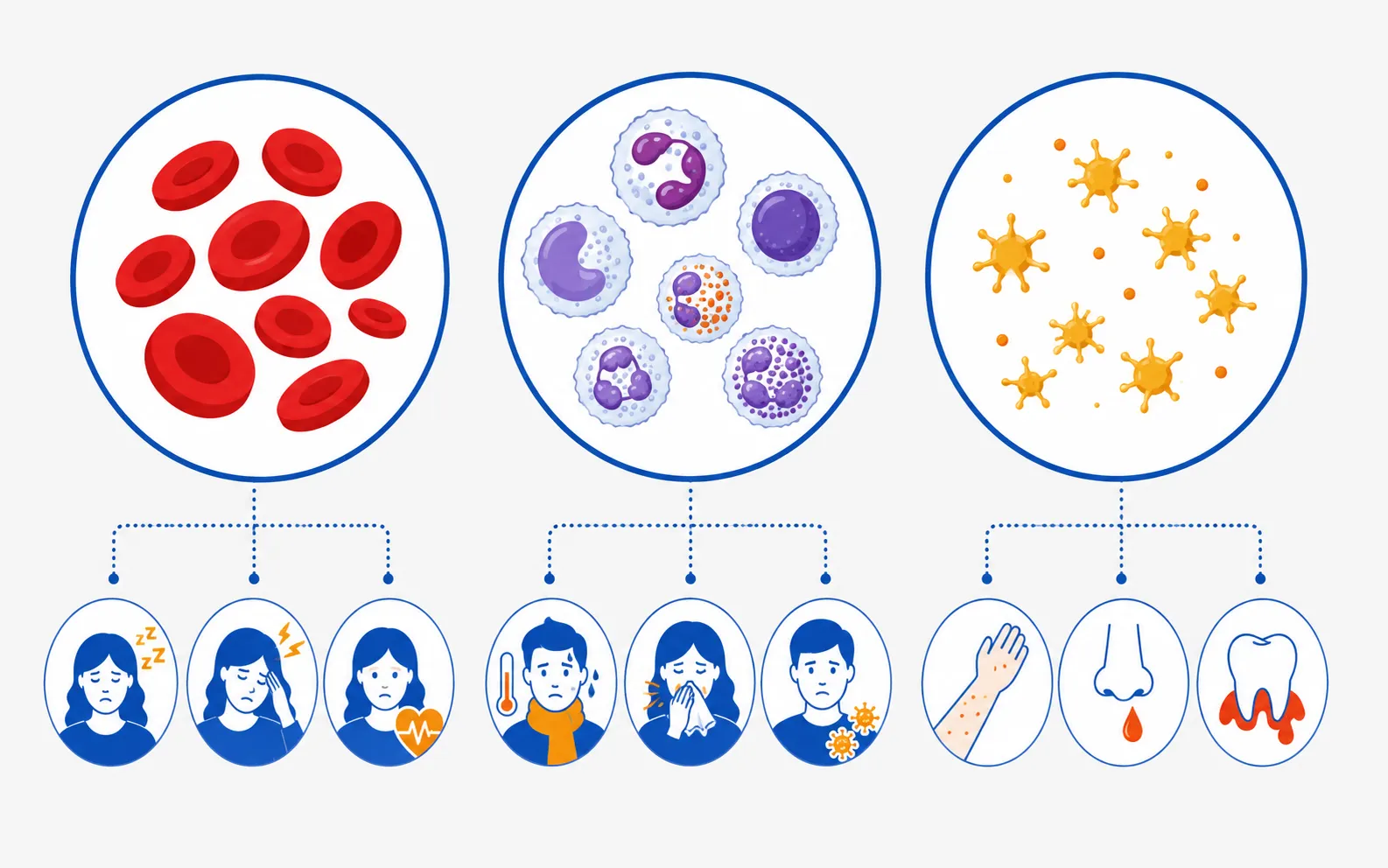
Your bone marrow is a soft, spongy tissue found inside your larger bones, the pelvis, sternum, and femur among them. Every day it quietly manufactures billions of blood cells: red cells that carry oxygen, white cells that fight infection, and platelets that stop bleeding. When this production line breaks down, the consequences ripple through every organ system in the body.
Bone marrow failure is not a single disease. It is an umbrella term for a group of conditions in which the marrow can no longer produce enough healthy blood cells. Haemato-oncology specialist at Apex Hospitals, Malviya Nagar, Jaipur, see patients at every stage, from early anaemia to severe aplastic anaemia requiring a bone marrow transplant. Understanding the causes and recognising the symptoms early can be life-saving.
Bone marrow failure occurs when the stem cells inside the marrow, the master cells that give rise to all blood cell types, are damaged, destroyed, or suppressed. The result is a fall in one or more of the three main blood cell lines, a condition doctors call pancytopenia when all three are affected simultaneously.
The three principal disorders grouped under bone marrow failure are:
Aplastic anaemia — the immune system attacks and destroys stem cells, leaving the marrow largely empty.
Myelodysplastic syndromes (MDS) — stem cells are present but genetically abnormal, producing dysfunctional blood cells that die prematurely.
Inherited bone marrow failure syndromes (IBMFS) — genetic mutations impair stem cell function from birth; examples include Fanconi anaemia and Diamond-Blackfan anaemia.
The causes span a wide spectrum, from autoimmune attacks to environmental exposures to inherited gene mutations. Identifying the underlying cause is critical because it directly shapes the treatment plan.
In the most common acquired form, the body's own T-lymphocytes mistakenly recognise stem cells as foreign and destroy them. This accounts for roughly 70–80% of aplastic anaemia cases. The trigger is often unknown, though viral infections (particularly Epstein-Barr virus and hepatitis viruses) are thought to initiate the autoimmune cascade in susceptible individuals.
Certain medications and chemicals are directly toxic to marrow stem cells.
Several viruses can directly infect or suppress marrow stem cells. Parvovirus B19 selectively infects red cell precursors, causing pure red cell aplasia. Hepatitis viruses, HIV, cytomegalovirus (CMV), and Epstein-Barr virus (EBV) have all been linked to marrow suppression, particularly in immunocompromised patients.
Inherited bone marrow failure syndromes are caused by mutations in genes responsible for DNA repair, telomere maintenance, or ribosome biogenesis.
High-dose ionising radiation, whether from therapeutic radiation, accidental exposure, or nuclear incidents, directly damages stem cell DNA. The marrow is one of the most radiosensitive tissues in the body.
6. Myelodysplastic Syndromes and Haematological Malignancies
In MDS, clonal stem cells produce abnormal blood cells that undergo premature apoptosis (programmed cell death). Leukaemia and lymphoma can also infiltrate the marrow, physically crowding out healthy stem cells. The haemato-oncology team at Apex Hospitals uses bone marrow biopsy and cytogenetic analysis to distinguish MDS from aplastic anaemia, a distinction that critically changes treatment.
Because bone marrow failure reduces all three blood cell lines, symptoms reflect the deficiency of each cell type. Many patients initially attribute their symptoms to overwork, stress, or a viral illness, which is why diagnosis is often delayed by weeks or months.
Persistent fatigue and weakness that does not improve with rest
Pallor — pale skin, lips, and inner eyelids
Shortness of breath on minimal exertion
Rapid or irregular heartbeat (palpitations)
Dizziness or light-headedness, especially when standing
Cold hands and feet
Headaches and difficulty concentrating
Frequent or unusually severe infections
Fever without an obvious source
Mouth ulcers that recur or heal slowly
Skin infections, boils, or abscesses
Pneumonia or urinary tract infections that do not respond normally to antibiotics
Easy or unexplained bruising
Petechiae — tiny red or purple spots on the skin caused by micro-bleeding
Prolonged bleeding from minor cuts or dental procedures
Nosebleeds or bleeding gums that are difficult to stop
Heavy menstrual periods in women
Blood in urine or stools
Red-flag symptoms requiring immediate emergency care: sudden high fever with chills in a known neutropenic patient, spontaneous bleeding from multiple sites, or any sign of intracranial bleeding (severe headache, vision changes, confusion). Apex Hospitals' emergency and trauma unit in Jaipur is equipped to manage haematological emergencies around the clock.
Diagnosis begins with a full blood count (FBC) that reveals low counts in one or more cell lines. However, confirming bone marrow failure and identifying its cause requires a structured workup:
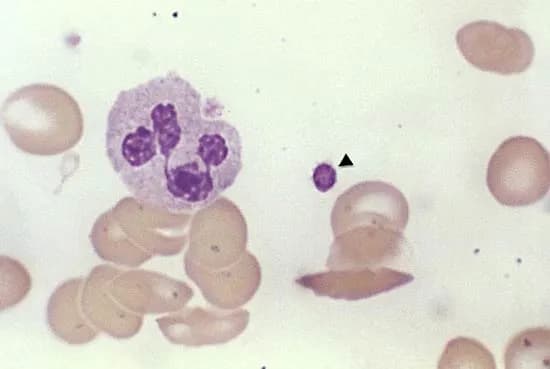
Peripheral blood smear — microscopic examination of blood cell morphology
Bone marrow aspiration and trephine biopsy — the gold standard; assesses marrow cellularity, cell morphology, and architecture
Cytogenetics and FISH — detects chromosomal abnormalities characteristic of MDS or leukaemia
Flow cytometry — identifies abnormal cell surface markers; essential for PNH screening
Genetic panel testing — for suspected inherited syndromes, especially in younger patients
Viral serology — hepatitis B, C, HIV, EBV, CMV, parvovirus B19
Apex Hospitals' dedicated laboratory infrastructure for renal and haematological biomarkers supports rapid, accurate staging of marrow failure — a critical step before any treatment decision is made. When imaging is needed to assess organ involvement, the hospital's radiology department provides comprehensive diagnostic imaging support.
Treatment depends on the severity of marrow failure, the patient's age, overall health, and whether a matched donor is available. The main approaches are:
Red cell and platelet transfusions manage symptoms while the underlying cause is treated. They are a bridge, not a cure.
For acquired aplastic anaemia patients who lack a matched sibling donor or are too old for transplant, anti-thymocyte globulin (ATG) combined with cyclosporine is the standard first-line treatment. Response rates of 60–70% are reported in published clinical series.
For younger patients with severe aplastic anaemia and a matched sibling donor, allogeneic BMT offers the best chance of cure — with long-term survival rates exceeding 80% in well-matched cases. Apex Hospitals is recognised as a leading transplant centre in Jaipur, with an experienced multidisciplinary team managing complex haematological cases. The haemato-oncology unit coordinates closely with the ICU and critical care team to support patients through the high-risk peri-transplant period.
MDS is treated with hypomethylating agents, lenalidomide, or transplant in eligible patients. Inherited syndromes may require androgen therapy, gene therapy (in clinical trials), or transplant.
A diagnosis of bone marrow failure is frightening, but many patients lead full lives with appropriate treatment and monitoring. Key self-care principles include:
Infection prevention: Wash hands frequently, avoid crowded places during neutropenic episodes, and keep vaccinations up to date (discuss live vaccines with your haematologist first).
Bleeding precautions: Use a soft toothbrush, avoid contact sports, and report any unusual bleeding promptly.
Medication vigilance: Never take NSAIDs, aspirin, or herbal supplements without haematologist approval, many affect platelet function.
Regular monitoring: Frequent blood counts are essential to detect changes in disease status early.
Psychological support: Chronic illness affects mental health. Apex Hospitals' psychiatry and mental health team provides counselling support for patients and caregivers navigating long-term haematological conditions.
No. Leukaemia is a cancer of blood-forming cells characterised by uncontrolled proliferation of abnormal cells. Bone marrow failure (particularly aplastic anaemia) involves destruction or suppression of stem cells, leading to too few blood cells rather than too many. However, some forms of MDS can transform into acute leukaemia over time, which is why regular monitoring is essential.
Yes, in many cases. Allogeneic bone marrow transplant offers a potential cure for severe aplastic anaemia and certain forms of MDS. Immunosuppressive therapy achieves long-term remission in a significant proportion of patients who are not transplant candidates. Inherited syndromes are more complex but increasingly manageable with modern therapies.
A bone marrow biopsy result is typically available within 3–7 days. Cytogenetic studies may take 2–3 weeks. At Apex Hospitals, the haematology team aims to complete the core diagnostic workup and initiate a treatment plan within the first week of presentation for severe cases.
Aplastic anaemia involves an empty or hypocellular marrow with normal-appearing (but absent) stem cells, usually driven by autoimmune destruction. MDS involves a hypercellular or normocellular marrow with dysplastic (abnormal-looking) cells and chromosomal abnormalities. The distinction is made on bone marrow biopsy and cytogenetics, and it fundamentally changes treatment strategy.
See a specialist promptly if you have persistent unexplained fatigue, recurrent infections, easy bruising, or any combination of the symptoms described above — especially if a routine blood test has already shown low counts. Early referral to the haemato-oncology department at Apex Hospitals, Jaipur can prevent life-threatening complications.
The haemato-oncology team at Apex Hospitals, Malviya Nagar, Jaipur is available to evaluate your symptoms, review your reports, and guide you through the next steps — with compassion and clinical precision.