
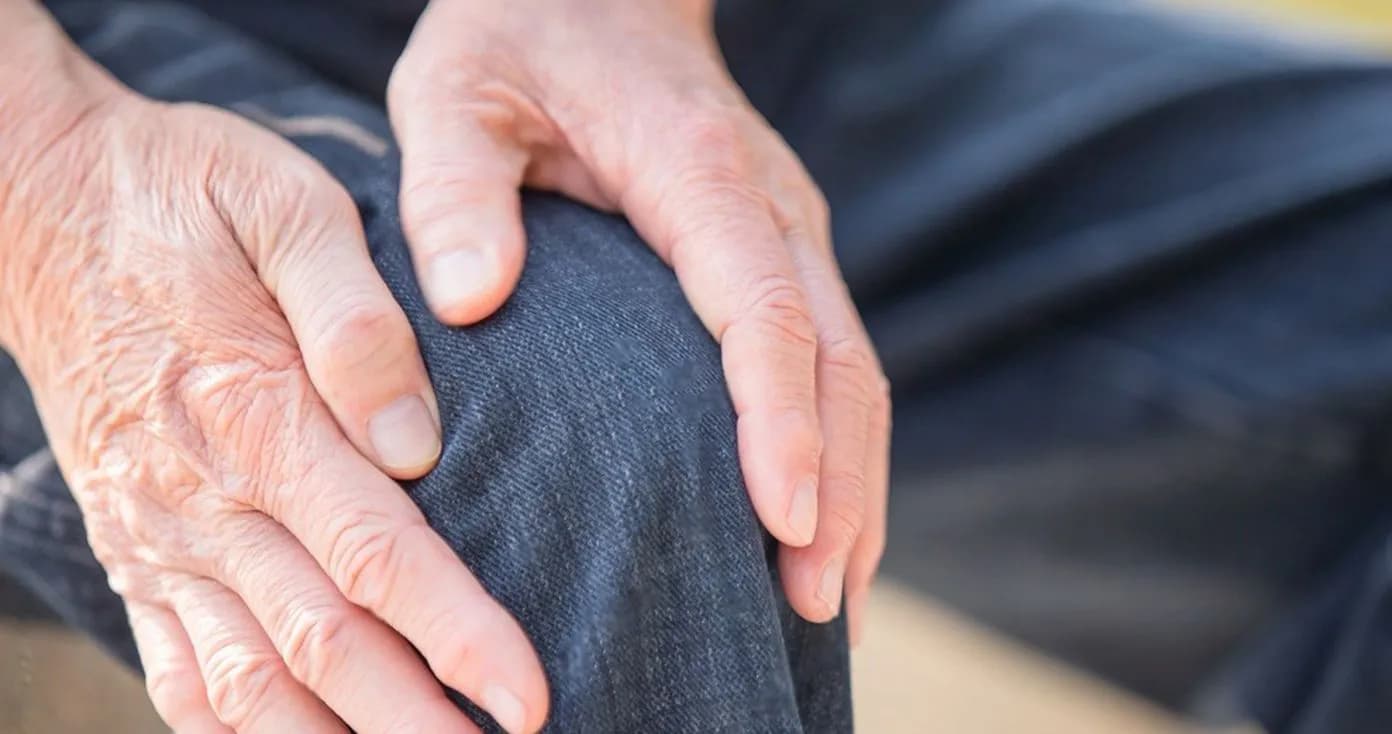
As we age, maintaining bone health becomes increasingly important, especially after age 50, when the risk of bone-related issues like osteoporosis significantly increases. Bones play many crucial roles in the body—providing structure, protecting organs, anchoring muscles, and storing calcium. While health concerns like heart disease and cancer often take centre stage, there’s another condition that should be on your radar: osteoporosis, a disease that weakens your bones.
Osteoporosis is more common than many realize, affecting half of all women and a quarter of all men over 50, leading to fractures and reduced mobility. However, there’s good news: even later in life, plenty of effective strategies exist to protect and strengthen your bones. By incorporating targeted exercises, making dietary adjustments, and embracing healthy lifestyle habits, you can maintain strong bones and continue living an active, independent life. This guide will explore essential tips and exercises designed to enhance bone health and help you stay resilient and healthy as you age.
1. Exercise regularly
The adage "move it or lose it" becomes particularly relevant after age 50. For older adults, the primary objectives of exercise are to enhance muscle mass and function, maintain good balance and strength, and support bone health. Weak muscles and poor balance can significantly increase the risk of falls and fractures.
The activity's type and intensity influence the benefits of exercise on bone health. For individuals over 65, engaging in 150 minutes of moderate-intensity exercise each week is recommended, ideally spread throughout the week. Daily exercise is preferable, and starting gradually can be beneficial. Opting for outdoor activities can offer additional benefits. As one ages, incorporating resistance or muscle-strengthening exercises becomes even more crucial. Although building bone mineral density after reaching adulthood is challenging, weight-bearing exercises have been proven to achieve modest improvements in bone mineral density.
2. Balanced diet
As people age, they often experience a decreased appetite, making it challenging to get the essential nutrients needed for maintaining healthy muscles and bones. To counteract this, staying active can help stimulate appetite, but adhering to a balanced diet is crucial even when you might not feel like eating much.
For optimal bone and muscle health, three key nutrients are vital:
Maintaining a balanced diet is also crucial for managing a healthy body weight. Being underweight increases the risk of fractures, emphasizing the importance of sufficient nutrient intake for bone and muscle health.
3. Avoid unhealthy lifestyle
Reducing alcohol consumption and minimizing smoking are essential steps in enhancing your overall lifestyle. Excessive drinking can elevate the risk of falls and fractures and contribute to bone loss.
Smoking has been shown to decrease bone mineral density and hinder the body's ability to absorb calcium. If you smoke, quitting can be challenging, but your doctor can provide guidance and support to help you reduce or eliminate smoking.
Additionally, having a body mass index (BMI) below 18.5 kg/m² can result in lower oestrogen levels in women, potentially leading to osteoporosis. Maintaining a healthy diet is essential for managing an average body weight and supplying your body with the nutrients necessary for bone health.
4. Get a doctor’s help
If you're worried about your bone health or have risk factors for osteoporosis, such as a recent bone fracture, it’s essential to speak with your doctor. They may suggest a bone density test to evaluate your bone density and measure the rate of bone loss. Based on these results and your risk factors, your doctor can determine if you might benefit from medication to slow down bone loss.
Don’t wait to prioritize your bone health! Book your appointment today to get personalized advice and build stronger bones for a healthier future.

Download Our App


Powered By Docfyn